2026 Is for Designers Who Think Beyond the Bin Through Smarter, Sustainable Packaging Solutions
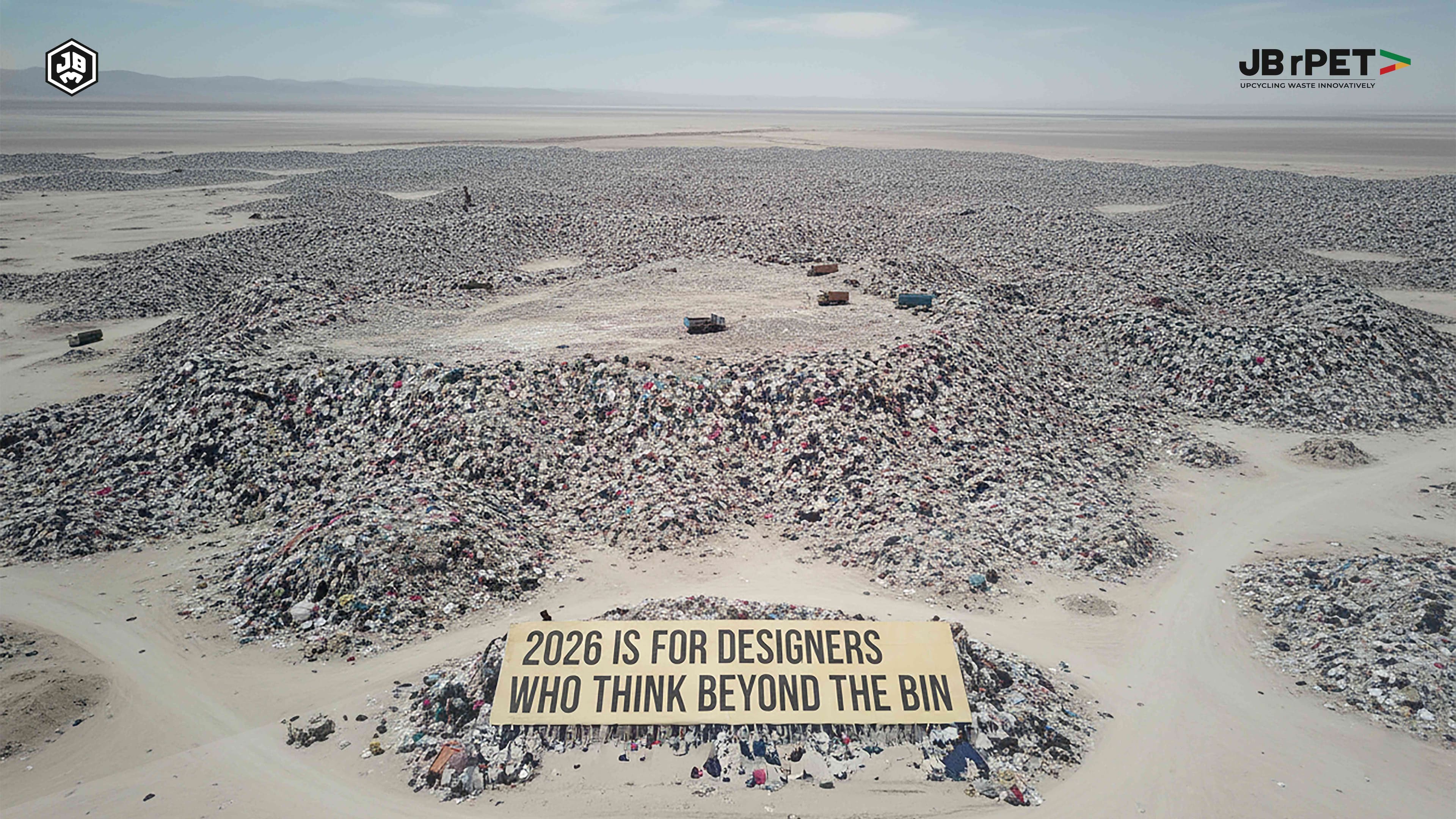
With a clothing dump in Chile’s Atacama Desert, big enough to be visible from space, it’s hard to deny that something is broken in the way we create and consume. That surreal desert heap isn’t just about textiles; it’s about design gone wrong. It’s the fallout of materials with no second life, packaging built to be lost, and decisions made without circular thinking.
For decades, packaging was engineered for containment, convenience, and cost. The bin once sat quietly at the end of the line: expected, ignored, inevitable. But today, as landfills grow and oceans choke on what we toss away, a new generation of designers is stepping in, unwilling to let waste be brushed aside.
And this shift goes far beyond aesthetics. It’s structural. It’s systemic. And it’s long overdue.
As 2025 draws to a close and we make New Year's resolutions, it’s time to set some design resolutions as well. This is the year designers stop asking, “How do we make packaging look good?” And start asking, “What are some new sustainable packaging solutions?”
The Bin Is a Result, Not a Design Feature
Every piece of packaging is a vote: for the planet we keep, or the one we lose. Most waste today isn’t generated by consumers. It’s governed by decisions made long before a product hits the shelf. Choices like:
- Combining incompatible layers that can never be separated
- Using dyes that make recycling mechanically impossible
- Structuring packs that collapse sorting systems
- Opting for “premium feel” instead of long-term sustainability
The real issue isn’t disposal; it’s design. This is why sustainable packaging solutions in 2026 are no longer just using “less plastic” or “switching to paper.” Those are tweaks. The future needs transformation.
Designing Beyond the Bin Means Designing Before the Shelf
Tomorrow’s packaging designers build from three principles:
1. Pick materials that return, not remain
This is the foundation of eco friendly packaging materials. rPET, aluminium, glass, and mono-material laminates all come back with dignity, without degrading into micro-waste.

2. Build for the second life at the first sketch
This is the heart of packaging circularity. Sustainable packaging solutions not just look good, they come apart and get sorted easily, eventually fitting inside existing recycling streams.
3. Close the loop, don’t just lighten the load
Closed loop packaging means the material isn’t downgraded into benches or road-fill. It comes back as packaging again. Where it belongs. Designers who think beyond the bin build circular packaging solutions that keep materials flowing instead of leaking.
Design, Waste, and the World We’ve Built
Here are some things that reshape the way designers must think in 2026:
1. From Fashion to Landfill
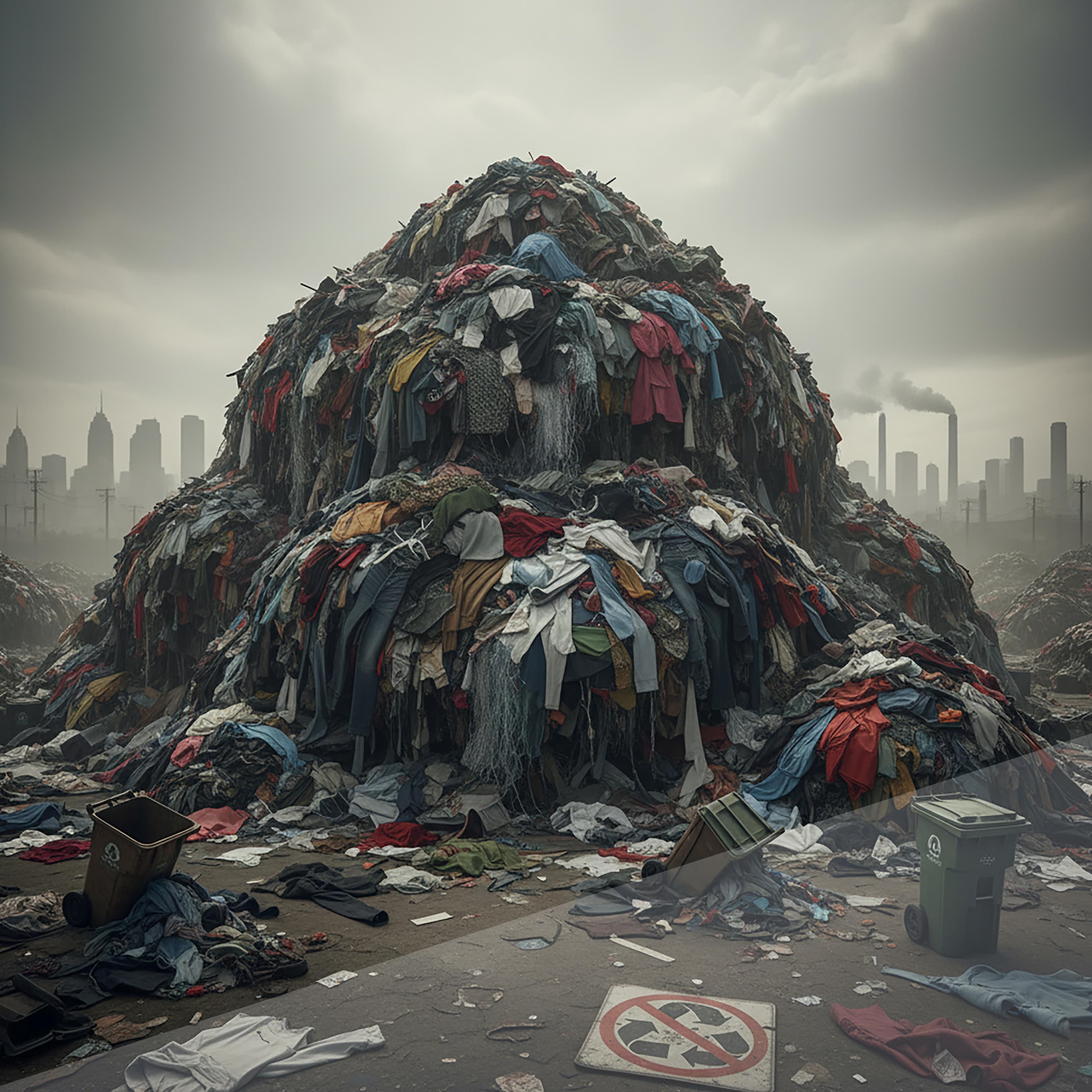
According to UNEP, every year, the world generates 92 million tonnes of textile waste, a number projected to hit 134 million tonnes by 2030. Not because people don’t want to recycle, but because most clothes are still designed with blends that cannot be recycled at scale.
2. The Flexible Packaging Problem
Multi-layer sachets and pouches: foil, PE, nylon were “design wins” for convenience and shelf life. But they are now the single largest contributor to ocean-bound plastic in Asia. Good for sealing, terrible for sorting.
3. Black Plastic Packaging
For years, “sleek black” trays were a visual trend. But black pigment is invisible to optical sorters in recycling plants. Beautiful. And doomed.
4. The Microplastic Misinformation Loop
We aren’t losing plastics only when they’re thrown away, we lose them through abrasion, washing, and fragmentation. A poorly designed packaging system becomes a microplastic factory. These are not consumer mistakes. These are design choices.
Why 2026 Demands a New Kind of Packaging Designer
A designer’s job is no longer to create packaging that performs well on a shelf. It is to design sustainable packaging solutions that perform well across their entire lifespan.
That means moving from:
- multi-material to mono-material
- mixed inks to recycling-friendly pigments
- difficult-to-separate structures to easy-to-disassemble formats
- one-way packaging to zero waste packaging
- linear paths to closed material loops
The goal is not only to reduce waste, but also to engineer packaging that never becomes waste at all.
Enter Zero-Waste Thinking
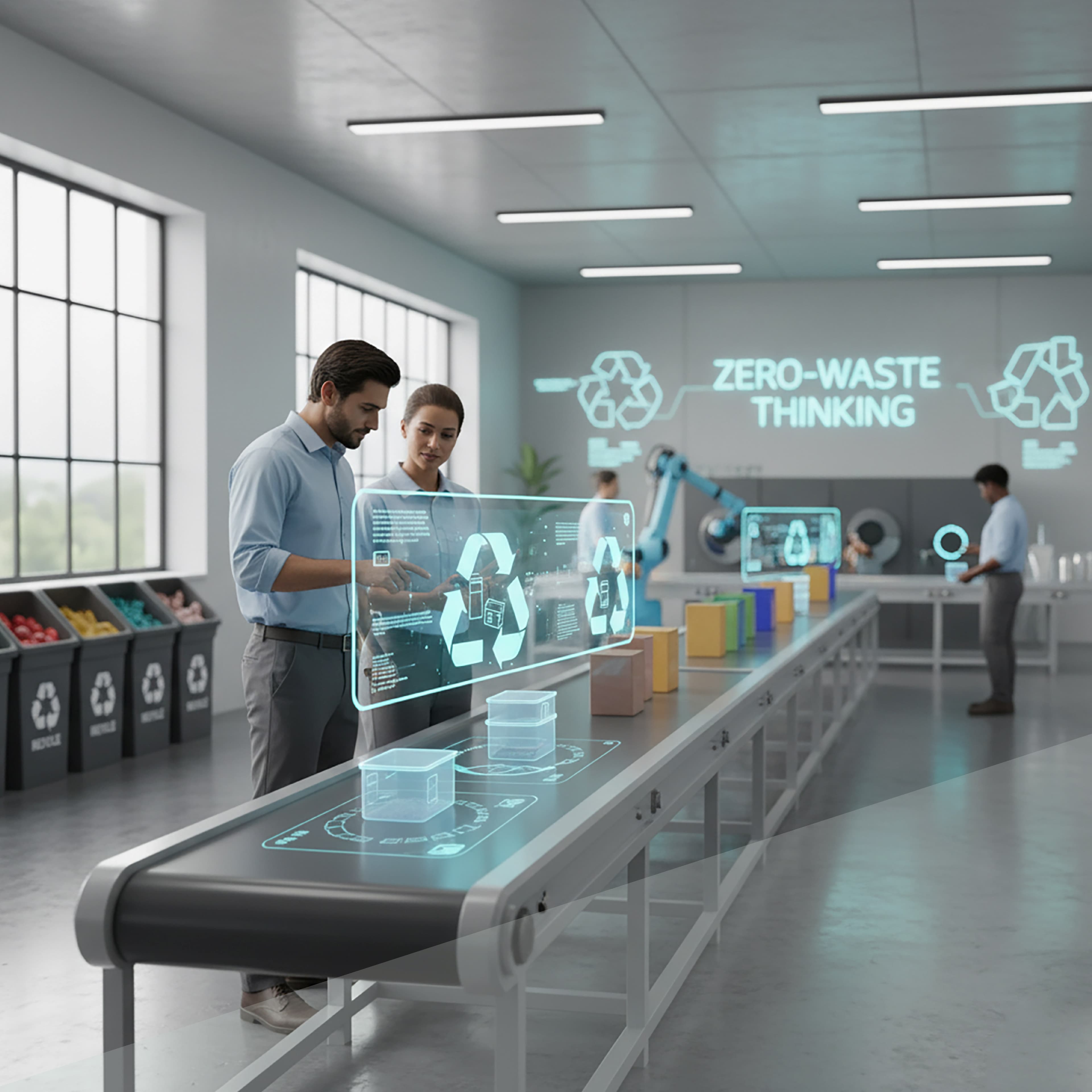
Zero waste isn’t a moral badge, it’s a question of how well we design our systems. Designers who think beyond the bin ask questions like:
- Can this be mechanically recycled multiple times?
- Does the consumer understand how to dispose of it?
- Will a waste worker be able to sort this safely? • Will this material survive downstream processing without contamination?
- Does this redesign make life easier or harder for the recycler?
True eco friendly packaging solutions solve for every stakeholder in the chain: brand, user, recycler, and environment.
Where rPET Leads the Way
rPET isn’t merely a replacement for virgin PET. It's a blueprint for how materials can perform again and again without structural compromise. Brands choosing rPET resins aren't choosing “less plastic.” They’re choosing:
- validated traceability
- true circularity
- closed-loop systems
- future-ready material performance
- ways to zero waste that actually scale
When designers shift to materials like rPET, they create sustainable packaging solutions that do more than protect the product; they protect the future.
The Designers Who Win in 2026
They are the ones who understand that design is not decoration. Design is direction. Design is the difference between a landfill and a loop.
The new era belongs to designers who think beyond the bin. To those who design with tomorrow in mind. Packaging that disappears responsibly. Materials that return, not remain. Loops that close themselves. Systems that make waste optional.
At JB rPET, we partner with brands before the bin becomes a problem. Our rPET resins and textile-to-textile (T2T) chemical recycling help brands unlock true end-to-end circularity, which is not theoretical but operational.
We support brands in:
- selecting recoverable materials
- reducing complexity
- enabling closed loop packaging
- designing for recycling systems
- introducing circularity into textiles and packaging
- replacing short-life plastics with long-life loops
- integrating rPET into existing designs
This is the era of sustainable packaging solutions built intelligently, circularly, and ambitiously. The future is not in the bin. It’s in the blueprint.