Textile Waste Management in 2026: A Complete Guide for a Circular Future
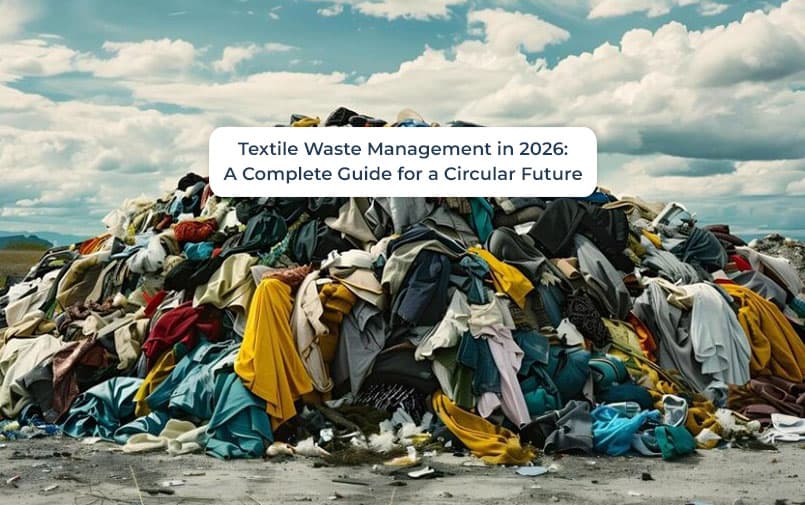
The conversation around textile waste is shifting rapidly. Once considered a niche sustainability topic, it is now shaping global discussions across supply chains, fashion boards, recycling companies, government committees and research organisations. The world is experiencing a rise in discarded textiles, and the urgency surrounding textile waste management continues to grow as we move deeper into 2026.
Every region is seeing the pressure. Urban centres are dealing with visible piles of post consumer garments. Industrial hubs are handling larger streams of cuttings and production rejects. Retail brands are managing seasonal inventory cycles that create their own form of textile waste. Communities are learning that the way they dispose clothing influences local ecosystems. This growing awareness is helping the industry take a more organised approach to textile waste management and encouraging technologies that support long term circularity.
For polyester based textiles, this period is also an important turning point. Chemical recycling technologies are becoming more active in global markets. These technologies help polyester textile waste enter new cycles through controlled depolymerisation. JBrPET participates in this transition with its textile to textile resins that originate from polyester textile waste. These resins can support a circular approach in the polyester value chain when combined with appropriate downstream processing.
This blog explores the evolving landscape of textile waste management in 2026, the global movements influencing it, the opportunities emerging for recyclers and brands, and the growing role of chemical recycling in transforming polyester waste into meaningful raw material.
Why Textile Waste Management Matters in 2026
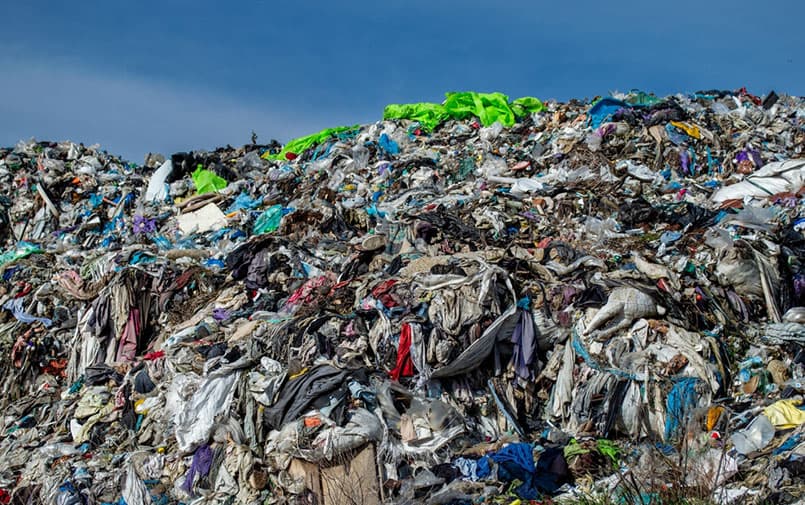
Textile waste management has gained importance because the speed at which textiles are consumed has changed. Daily wear garments, athleisure products, fast fashion patterns and industrial textiles all contribute to growing waste streams. Households are generating more textile waste, and industrial activities add their own load in the form of trimmings, misprints and dead inventory.
Countries are responding in different ways. The European Union has announced requirements for separate textile collection across member states starting 2025, which is now influencing how brands design product take-back programs. Cities in the United States are discussing textile recovery frameworks. Regions in Asia are encouraging private players to join hands with recyclers to improve material recovery.
Fabric waste management is now part of conversations in many manufacturing clusters. Indian companies, especially in polyester and blended fabric hubs, are talking about responsible disposal. Several associations are engaging in dialogues on how India can prepare for the next phase of circularity. This collective interest is helping textile waste management move from sporadic initiatives to more structured plans.
Waste management in fashion and textile industries has expanded because brands have noticed that customers are showing a preference for products created with responsibility. Independent surveys and retail studies indicate a steady rise in interest in repair, reuse and recycling programs. These developments support the idea that every textile product carries a lifecycle that continues beyond its initial use.
Understanding the Flows in Textile Waste Management
Textile waste management works through multiple flows that behave differently once collected. Post consumer garments form the largest and most unpredictable stream. They arrive in mixed colours, mixed fibres and mixed conditions. Industrial scrap is more predictable because it often contains large volumes of the same fabric. Retail returns and unsold stock contribute another flow. Each of these flows requires its own sorting logic.
The more effectively these streams are handled, the stronger the outcomes for recycling in the textile industry. Segregation is the key step. When waste is sorted by fibre type, recyclers can direct polyester-rich textiles toward chemical recycling lines. This improves efficiency because consistent feedstock supports stable polymer production.
Recycling textiles near me has become a frequently searched phrase as people in many cities look for drop-off points. Communities are asking for easier channels to give away garments responsibly. Municipal bodies in some countries have responded by placing textile bins in neighbourhoods. Several Indian cities are conducting pilot programs around school uniform collections. These shifts showcase a growing inclination toward thoughtful disposal.
Disposing old clothes responsibly has become an important topic for households. Families are learning about options such as community donation groups, upcycling centres and sorting drives. These initiatives help create a steady flow of textiles that can be directed into recycling systems instead of unmanaged dumping.
What Happens After Textile Waste Is Collected
Once textile waste reaches sorting centres, it undergoes a series of manual and mechanical steps. Operators check colour categories, fibre composition and presence of labels or trims. More advanced facilities use optical scanners to help identify fibre types. The quality of segregation directly influences the success of any recycling route.
The waste cloth recycling process begins here. Fabrics are separated, trimmed, shredded or cleaned as required. Pure polyester textiles are highly valuable for chemical recycling systems because they behave in a predictable way during depolymerisation. Blended textiles require additional preparation and may not be suitable for every recycling route.
Solutions to textile waste begin with these small but critical steps. When waste is left unsorted, its recycling potential decreases. When waste is sorted with care, it becomes a resource. In 2026, more sorting facilities across Asia and Europe are investing in better fibre identification tools. The market is showing early signs of interest in digital tagging, which allows recyclers to understand the fibre content of textiles even before physical inspection.
Fabric waste management systems benefit greatly from well-executed pre-sorting. Factories in some regions are now trying to keep cutting scrap of different fabrics separate at the source. This directly improves recycling outcomes because uniform feedstock supports better downstream processing.
The Rise of Chemical Recycling in 2026
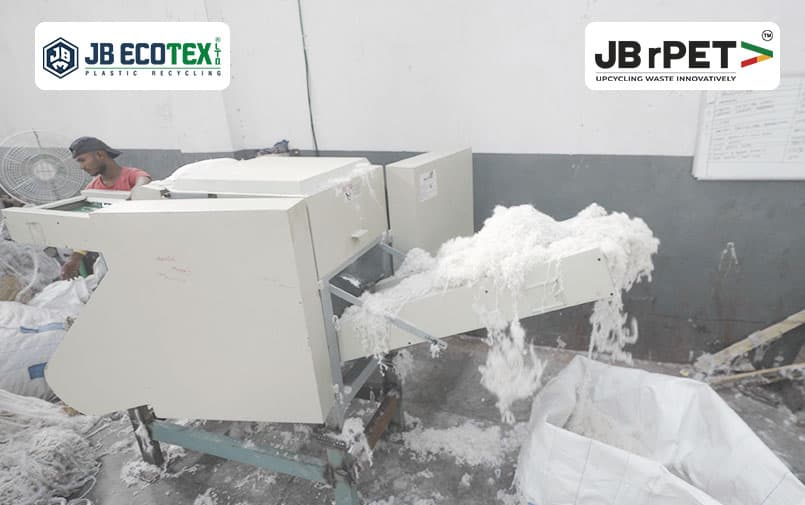
The rise of chemical recycling is one of the most notable developments in 2026. Global interest in textile recycling has grown because traditional mechanical processes have limitations when handling blended or coloured polyester. Chemical recycling offers an alternative route. Through controlled depolymerisation, polyester molecules are broken down and cleaned. After purification, they can be repolymerised into new PET resin.
This is where JBrPET becomes relevant. The company produces T2T resins that originate from polyester textile waste. These resins enter the PET value chain once they pass through approved downstream processing by industry manufacturers. The technology supports circularity in polyester textiles by enabling textile to textile applications.
Across the world, new chemical recycling projects are in various stages of planning and commissioning. Several groups in Europe have announced collaborative projects focused on polyester textile treatment. Organisations in Japan and South Korea are exploring pilot lines. The United States is seeing increased investor interest in textile recycling technologies. These developments show a collective global movement toward diversification of recycling options.
Recycling in textile industry gains momentum when such technologies become accessible. Chemical recycling does not replace mechanical recycling. Instead, it offers an additional route for textiles that cannot enter traditional systems.
How Brands Are Responding To The Textile Waste Challenge
Brands are reassessing their approach to circularity. Many retailers operate garment collection bins to help citizens dispose old clothes through official channels. Global fashion houses are experimenting with recycled polyester yarns in select collections. Some sportswear companies are conducting trials on uniforms made from recycled polyester to understand performance characteristics.
Solutions to textile waste often begin at the design stage. Companies are reviewing fabric blends, embellishment choices and construction methods that simplify recycling at the end of use. Conversations around digital identification of garments are becoming more frequent. These discussions encourage better flow of information within the supply chain.
Waste management in fashion and textile industries is influenced by increasing pressure for transparency. Many organisations are publishing progress updates in their sustainability reports. These updates often describe recycling partnerships, collection experiments or pilot programs. They do not solve the entire challenge, but they create awareness that reaches millions of consumers.
Brands exploring recycled polyester inputs are also studying chemical recycling routes closely. Polyester textile waste offers a large untapped feedstock for future circular systems. JBrPET’sT2T resins play a meaningful role here because they show how textile waste can return to the value chain through scientific processes.
Community Initiatives and Local Movements
Community participation is becoming an important pillar of textile waste management. Groups of citizens are organising local textile drives. Schools are conducting clothing exchange programs. Resident associations are forming tie ups with recyclers to collect specific textile streams. Community laundries, hostels and housing clusters are experimenting with periodic take back days.
Searches for recycling textiles near me illustrate a growing desire to find responsible disposal options. People recognise that textile waste affects their surroundings. When the community begins acting, the entire recycling ecosystem benefits.
Disposing old clothes through responsible channels supports these ecosystems. It keeps material away from open dumping sites and directs it toward reuse and recycling. Local governments in several countries are increasing awareness through campaigns that teach people how to sort textiles. These campaigns encourage early segregation and support fabric waste management at the household level.

The Global Landscape of Textile Waste in 2026
The global landscape of textile waste is changing. Regions in Europe are preparing for mandatory textile collection. Governments in parts of North America are debating extended producer responsibility for textiles. Asian markets are seeing collaborations between apparel exporters and recycling companies.
The waste cloth recycling process is receiving attention from research institutions that are studying how to automate sorting further. New work is happening in fibre identification systems that rely on spectroscopy and image recognition. These technologies may support large-scale sorting in the coming years.
Fabric waste management is also influencing policy conversations. The rising visibility of textile waste in landfills is encouraging stakeholders to collaborate. The year 2026 will likely see more public-private partnerships for collection networks.
The Future of Textile Recycling Technology
Textile recycling technology is expanding. Chemical recycling is becoming more refined, and new research is exploring how blended fabrics can be handled with greater efficiency.
The recycling in the textile industry will grow stronger as feedstock availability becomes more organised. As more textile waste is collected in sorted form, recyclers can operate with better consistency.
Polyester remains a widely used fibre in global textiles. This creates long-term demand for recycled polyester. JBrPET’s T2T resins align with this direction because they originate from polyester textile inputs and can support circular applications when used by manufacturers that follow quality assurance protocols.
Where Textile Waste Management Is Heading in 2026 and Beyond
The future of textile waste management involves cooperation. Brands cannot work alone. Recyclers cannot work alone. Consumers cannot work alone. The industry is moving toward shared responsibility. Collection networks, sorting centres, recyclers, manufacturers and retailers are discovering new alignment points.
Textile waste management in the coming years will likely become more data-driven. Companies may use digital identifiers to trace textiles across their lifecycle. Municipalities may incorporate textile recovery into standard waste infrastructure. Communities may continue organising local events around responsible disposal.
Chemical recycling is expected to become more visible in this landscape. Countries may adopt hybrid recycling systems that use both mechanical and chemical routes.
The value created from polyester textile waste will become clearer as supply chains grow more coordinated. Companies with stable sorting networks and strong recycling partnerships will adapt better to the future. If you are looking to know more about textile to textile recycling, our team would be happy to help.