Global Textile Recycling Trends for 2026: What the Industry Needs to Know
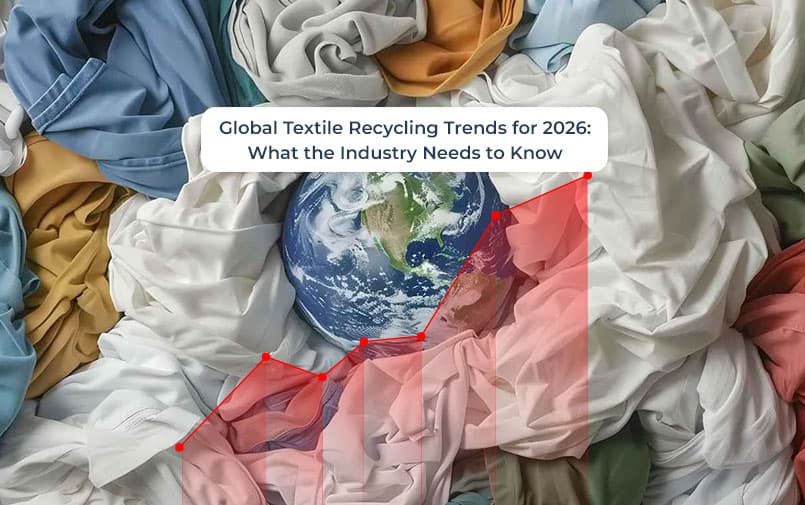
There is a moment when industries pause and realise that the story they have been telling for years is changing. The conversation around global textile recycling has reached this point. What was once a scattered collection of small initiatives is now becoming a coordinated global movement. Waste streams are more visible, policies are more serious, and innovation is becoming the centre of attention in many countries.
Across continents, conversations in 2026 sound similar. Municipal leaders talk about rising textile waste. Brands plan new circularity targets. Researchers discuss better fibre identification. Recycling companies explore partnerships for chemical processing. The tone has shifted from distant sustainability goals to real implementation.
This is a defining year for global textile recycling, and understanding the trends shaping this landscape is essential for recyclers, manufacturers, policymakers and brand teams.
Why Global Textile Recycling Is Entering a New Era
The world is dealing with more textile waste than ever. Retail expansion, faster fashion cycles, industrial production growth and rising consumption are all contributing factors. The global conversation around textile waste has matured. It is no longer limited to waste reduction. It focuses on the future of raw material availability, recycling technology investments and climate aligned production.
Several developments show how global textile recycling is evolving:
1. Mandatory Collection Requirements in Europe
From 2025 onward, all EU member states must set up separate textile waste collection systems. This one policy has encouraged infrastructure planning across municipal networks. It has also created demand for new recycling partners.
2. State-Level EPR Discussions in the United States
California and New York are examining textile extended producer responsibility. These discussions influence brand strategies and encourage collaborations with recycling companies that can support them.
3. Asia’s Rising Chemical Recycling Capacity
Countries such as Japan and South Korea are integrating chemical recycling into innovation programs. India is witnessing increased dialogue around circular textiles through government and industry forums.
These trends show that global textile recycling is gaining depth across multiple geographies.
Key Forces Shaping Global Textile Recycling in 2026
Three major forces define the current landscape of global textile recycling:
Policy Movement
Governments are aligning waste, climate and manufacturing policies. Separate textile waste collection, recycled content goals and extended producer discussions are creating long term direction.
Industry Commitment
Brands across fashion, sportswear and outdoor apparel sectors are exploring responsible material use. Many are running pilot programs for take back and refurbishment. An example is Patagonia, which has publicly discussed its repair and reuse initiatives for years. Another visible example is H&M, which equips many of its stores with garment drop off bins. These examples create awareness and influence global textile recycling behaviour.
Technological Direction
Chemical and mechanical recycling technologies are evolving simultaneously. Fibre identification, AI sorting and depolymerisation systems are improving. This allows global textile recycling networks to handle more complex waste streams.
Trends Redefining Global Textile Recycling in 2026
Global textile recycling is moving in several new directions. These shifts reflect industry learning, policy influence and technological progress.
Trend 1 — Growth of Textile-to-Textile Recycling
Textile-to-textile recycling is gaining interest in 2026 because it supports circular material loops. Mechanical routes for cotton and cellulosic textiles are scaling through new pulp-based models. Chemical recycling is becoming more suitable for polyester textiles.
JBrPET contributes to this shift with its textile to textile resin pathways. These resins originate from polyester textile waste that undergoes controlled depolymerisation. This supports recycled polyester fabric applications when used by manufacturers that follow appropriate processing methods.
Global textile recycling discussions often highlight the importance of creating new fibres from old textiles rather than downcycling into low value materials.
Trend 2 — Stronger Sorting Infrastructure
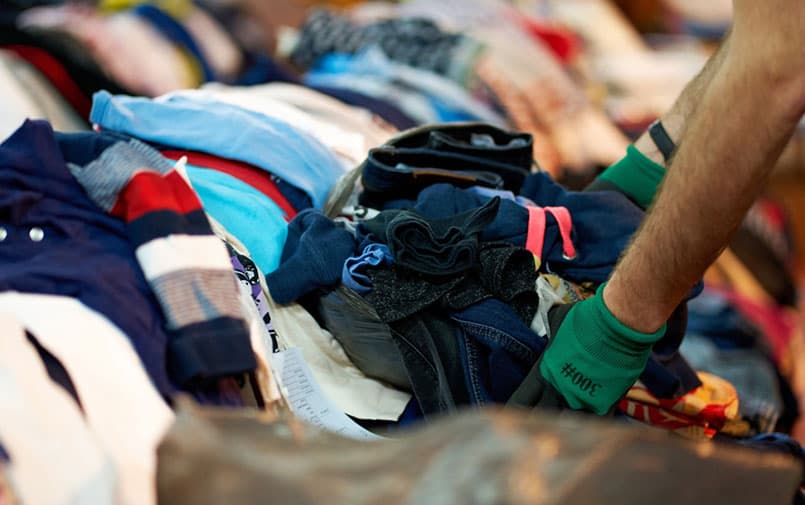
Sorting determines the success of most recycling systems. Countries are investing in better material recovery facilities, especially in Europe and parts of Asia.
Sorting centres are introducing:
- Near infrared fibre scanners
- Colour sorters
- Automated pre-sorting belts
- Digital tagging pilots
- Reverse logistics partnerships
These improvements support reliable feedstock for both mechanical and chemical recyclers.
Fibre identification is becoming central to global textile recycling because mixed blends challenge traditional processes. Advanced sorting with machines like TOMRA sorters strengthens supply chains and stabilises the polyester recycling process.
Trend 3 — Chemical Recycling Expansion
Chemical recycling has gained momentum because polyester textiles require more controlled treatment. Polyester recycling systems can handle post-consumer textiles that contain colour, prints or minor impurities.
Global textile recycling activity shows an increase in:
- Depolymerisation research funding
- Pilot plants in Japan and South Korea
- Industry partnerships exploring polyester recycling
- Technology groups refining purification methods
This aligns with the rising interest in recycled polyester fabric created from textile inputs.
JBrPET’s textile to textile resins operate within this trend and contribute to India’s presence in global textile recycling technology pathways.
Trend 4 — Brand and Retailer Engagement
Brands are becoming active contributors to the textile recovery chain. Large retailers are experimenting with preloved sales channels, refurbishment programs and garment collection bins. These actions influence global textile recycling because they create organised feedstock.
Brands are exploring:
- Store-level collection initiatives
- Uniform return programs
- Partnerships with recyclers
- Data tracking for circular products
Many global fashion reports also note the rising interest in traceability. Brands want to understand the journey of textile waste and the steps involved in its recycling. This contributes to a more transparent global textile recycling ecosystem.
Trend 5 — Community Participation and Consumer Awareness
Public awareness is shaping global textile recycling. Online communities share information about responsible disposal. Schools organise textile drives. Citizen groups create reuse events. Municipalities conduct awareness campaigns.
This growing involvement increases supply for clothes recycle business models and strengthens fabric recycling companies that rely on high volume input streams.

Global Textile Recycling by Region
Europe
- Strongest regulatory push
- Mandatory textile waste collection
- Active chemical and mechanical technology hubs
- Significant collaboration between municipalities and recyclers
North America
- Discussions around textile EPR
- Community recycling events
- Growth in technology driven sorting
- Local partnerships for post consumer garment flow
Asia
- Japan and South Korea pushing innovation in chemical processing
- India focusing on circularity dialogues through government bodies
- Manufacturing regions improving waste segregation practices
Middle East & Africa
- Growing interest in recycling infrastructure
- Early phase investment conversations
- Expanding retail markets that influence textile waste volumes
How Technology Is Shaping Global Textile Recycling
Technology is dictating how fast global textile recycling can grow. The industry is seeing strong investment in digital, mechanical and chemical systems.
Key Improvements
- Smart bins enabled with data sensing
- Fibre composition analysis for blended textiles
- Digital product passports
- Automated disassembly research
- Controlled polyester recycling process development
These developments support large scale circularity and reduce dependency on virgin raw materials.
The Rise of Polyester Recycling in Global Textile Recycling
Polyester accounts for a major share of global fibre consumption. This makes polyester recycling and recycled polyester a priority within global textile recycling systems.
Why Polyester Recycling Matters
- Polyester textiles reach landfills in very large quantities
- Chemical recycling can restore polyester to high quality polymer
- Global demand for recycled polyester fabric is increasing
- Major brands outline interest in recycled inputs in public sustainability discussions
Textile recycler organisations focused on polyester often operate pilot lines that explore new depolymerisation routes. JBrPET contributes to this landscape through its textileto textile polyester resin technology.
What Global Brands Want From Recyclers
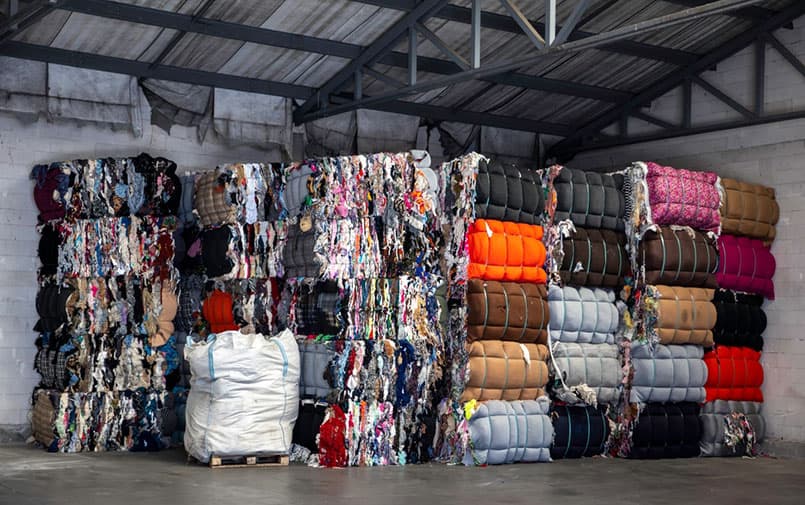
Global textile recycling succeeds when recyclers align with market expectations. Industry reports show that brands generally look for:
- Reliable feedstock preparation
- Transparency in recycling methods
- Traceability from waste to output
- Capability to manage post consumer waste
- Consistency in recycled polyester fabric
- Clear communication on technology and environmental safeguards
This alignment helps both recyclers and brands build stronger circularity programs.
Policy Trends Supporting Global Textile Recycling
Global textile recycling is influenced by regulatory direction. Policymakers recognise the environmental pressures created by unmanaged textile waste.
Major Policy Trends
- Mandatory textile waste collection in Europe
- EPR dialogues in parts of the United States
- National circularity missions in Asia
- Public infrastructure expansion for waste sorting
- Minimum recycled content conversations in global forums
Policies encourage recycling companies to invest in better processes and help fabric recycling companies scale operations.
A Case Example Shaping Global Textile Recycling
One of the most influential developments in global textile recycling comes from Europe. The European Union adopted the “EU Strategy for Sustainable and Circular Textiles” in 2022, which includes a requirement for all member states to organise separate textile waste collection by 2025. The strategy has been discussed widely in sustainability reports and policy analyses because it signals a long-term shift toward structured textile recovery.
The policy encourages countries to:
- Improve public textile waste collection systems
- Strengthen sorting infrastructure
- Support recycling companies with more consistent feedstock
- Promote circular product design
- Create pathways for both mechanical and chemical recycling technologies
This example is frequently referenced by industry groups because it influences the entire value chain. The requirement has motivated municipalities, recyclers, technology companies and fashion brands to prepare for large-scale global textile recycling systems. It also encourages investment in advanced processes such as polyester recycling, which can help manage the rising volume of polyester-rich garments in circulation.
This policy-driven movement demonstrates how regulation can guide textile waste away from landfills and refocus it toward circular use. It is one of the clearest global signals that textile recycling is becoming a long-term structural priority across regions.
Challenges Slowing Global Textile Recycling
Despite strong momentum, several challenges affect global textile recycling.
Key Barriers
- Mixed fibre blends remain difficult to separate
- Limited collection networks in developing markets
- Requirements for high capital investment
- Lack of standardised textile labelling
- Low awareness about responsible disposal
- Geography-linked gaps in technology access
These challenges also motivate research groups, universities and textile recycler organisations to collaborate on solutions.
How JBrPET Fits Into Global Textile Recycling
India is an important player in global textile recycling due to its strong manufacturing base. JBrPET contributes to global textile recycling by offering textile-to-textile polyester resins that originate from polyester textile waste. These resins support recycled polyester fabric applications when used by manufacturers who follow established guidelines.
As global interest in circular textiles increases, polyester recycling becomes a central part of supply chain planning. JBrPET’s presence in this field reflects the broader global movement toward sophisticated chemical recycling.
The Future of Global Textile Recycling
Global textile recycling is entering a phase of structured growth. Policy clarity, brand engagement, community participation and technological development are shaping a new ecosystem. Industry observers expect more sorting hubs, better chemical technologies and stronger integration between waste handlers and recyclers.
This period rewards collaboration. Manufacturers, recyclers, policymakers, technologists and brand teams are working together more frequently. The combined effort supports a vision where textile waste becomes a long-term resource.
Circularity planning often begins with the right partners. JBrPET participates in this movement through its textile-to-textile polyester recycling work and continues to collaborate with stakeholders exploring advanced material recovery. Teams interested in understanding these processes can getin touch for aligned discussions.