JB rPET’s Role in Bridging Plastic Credits and Carbon Goals
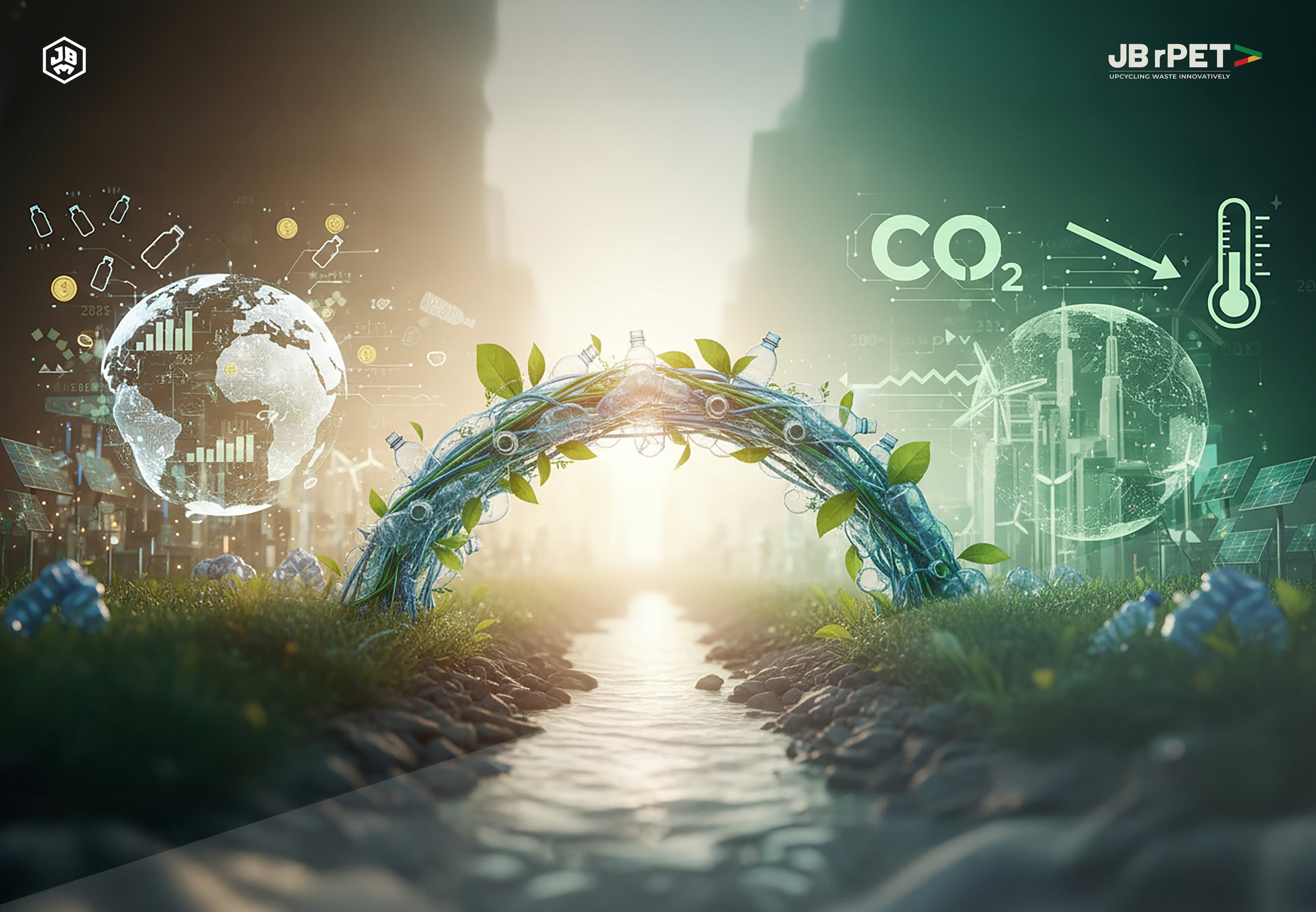
With 2025 nearing its finish line, sustainability has evolved from a pledge to a performance metric and plastic credits are leading the conversation. Suddenly, plastic waste has got its own marketplace, currency, and set of business rules, and the companies that learn to navigate this will lead the way.
But here’s where things get really interesting: what if earning those plastic credits didn’t just keep compliance teams happy and check boxes for regulatory targets? That’s the story JB rPET is writing, one bottle at a time.
Plastic Credits: The New Social (and Business) Currency
First, let’s unpack the concept: plastic credits represent proof that a certain amount of plastic waste has been diverted from landfill or incineration and properly recycled by certified operations. According to TheEconomic Times, the plastic credits market is booming, projected to reach nearly $1.7 billion by 2030, spurred by government mandates and rapidly evolving EPR plastic rules. These credits are a way for companies to “offset” plastic usage when direct recovery isn’t feasible, much like how carbon credits India let you balance your greenhouse gas emissions.
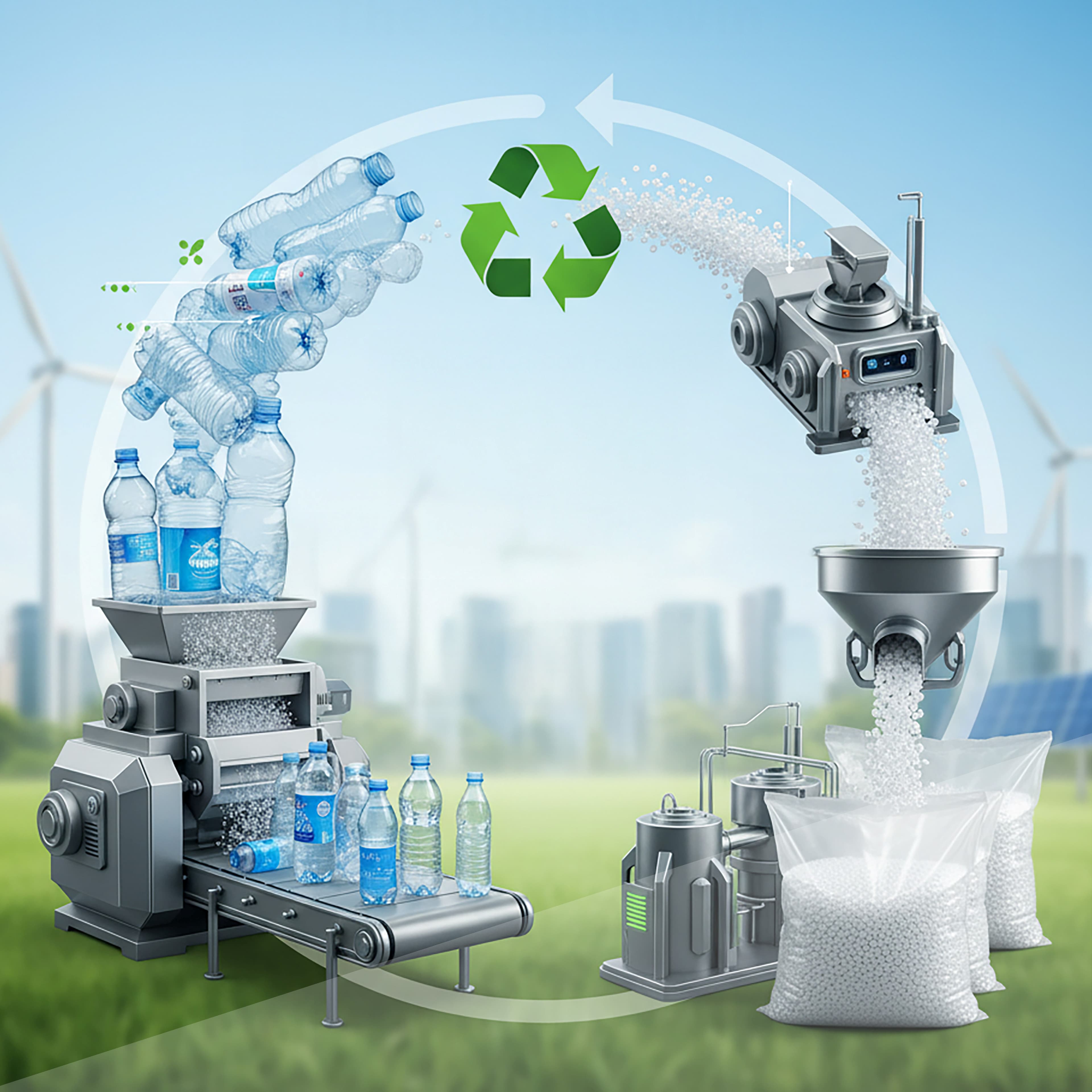
But where the rubber meets the road (or, more appropriately, the bottle meets the baler) is in how these credits are generated. That’s where brands are given a chance to earn plastic offset credit by investing in genuine recycling, not just clever accounting tricks. The price of plastic credits is also on the move, shaped by compliance demand, available certified projects, and the costs of high-grade recovery infrastructure.
The Role of JB rPET
rPET recycling leaders like JB rPET draw on more than ten years of PET recycling experience. Every batch of recycled resins is completely traceable and validated by independent audits and real-time data reporting, guaranteeing quantifiable and open environmental impact. No vague declarations, just verified, responsible action.
For businesses, the benefits are twofold:
- Compliance with tough new Indian EPR plastic rules, which now require year-on-year increases in recycled content for packaging categories.
- A confidence boost for brand reputation, as buyers, partners, and consumers are increasingly demanding transparent supply chains and real csr plastic credit outcomes.
When Plastic Credits and Carbon Goals Team Up
Here’s the secret specialist move that sets JB rPET apart. Most brands know about plastic credits as a way to hit recycling and compliance targets, but not everyone realizes the direct link to carbon footprint reduction. Recycled PET (instead of using virgin resin) slashes energy consumption, emissions, and environmental impact, giving companies a double win for CSR and climate commitments.
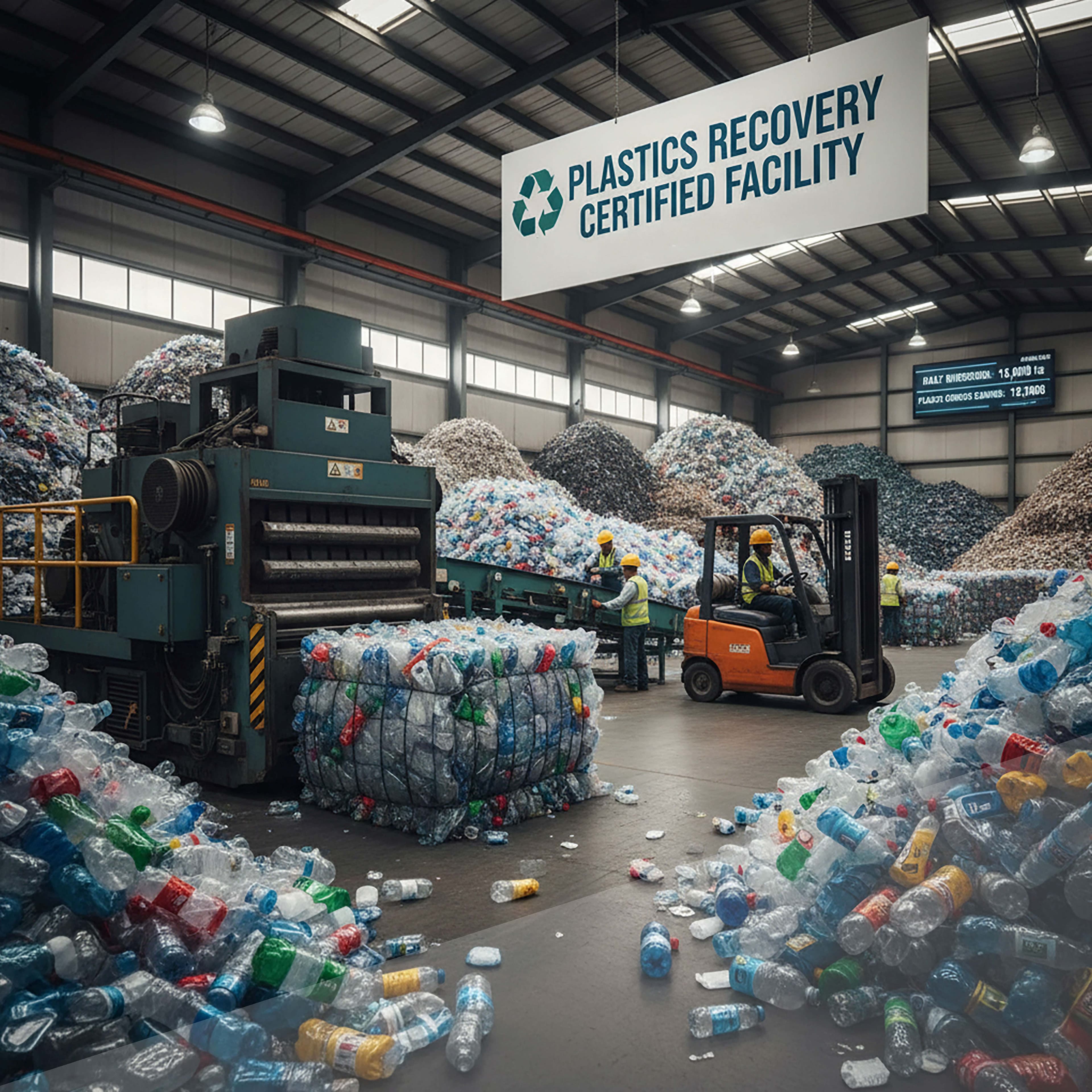
Take JB rPET’s closed-loop process:
- Post-consumer waste bottles are cleaned, shredded, and processed into new, high-quality rPET pellets.
- Every stage is monitored for landfill diversion, material purity, and lifecycle impact.
- Carbon reduction is calculated using global best-practice standards, so brands don't just claim offset, they prove measurable carbon credits India impact.
It’s not just the price of plastic credits that matters; it’s the value delivered to both people and planet.
The Circular Economy
The old strategy was simple: manufacture, sell, dispose, repeat. Now, tomorrow’s thriving brands know circularity is king. Plastic credits are fueling real change, funding better waste segregation, upgrading recycling infrastructure, and building stronger links between collectors, recyclers, and manufacturers than ever before. JB rPET is actively participating in this, turning linear packaging into circular assets.
This means that by choosing JB rPET for rPET supply or credit certification, companies participate in a larger ecosystem where:
- we support innovation and waste elimination.
- rPET recycling reduces the need for new fossil-based plastic.
- transparent reporting powers brand storytelling with impact, not just intent.
Meeting EPR Plastic Rules
India’s amended Plastic Waste Management Rules now set clear annual targets for recycled content in packaging with specific requirements for rigid, flexible, and speciality plastics. The message is clear: compliance is no longer optional.
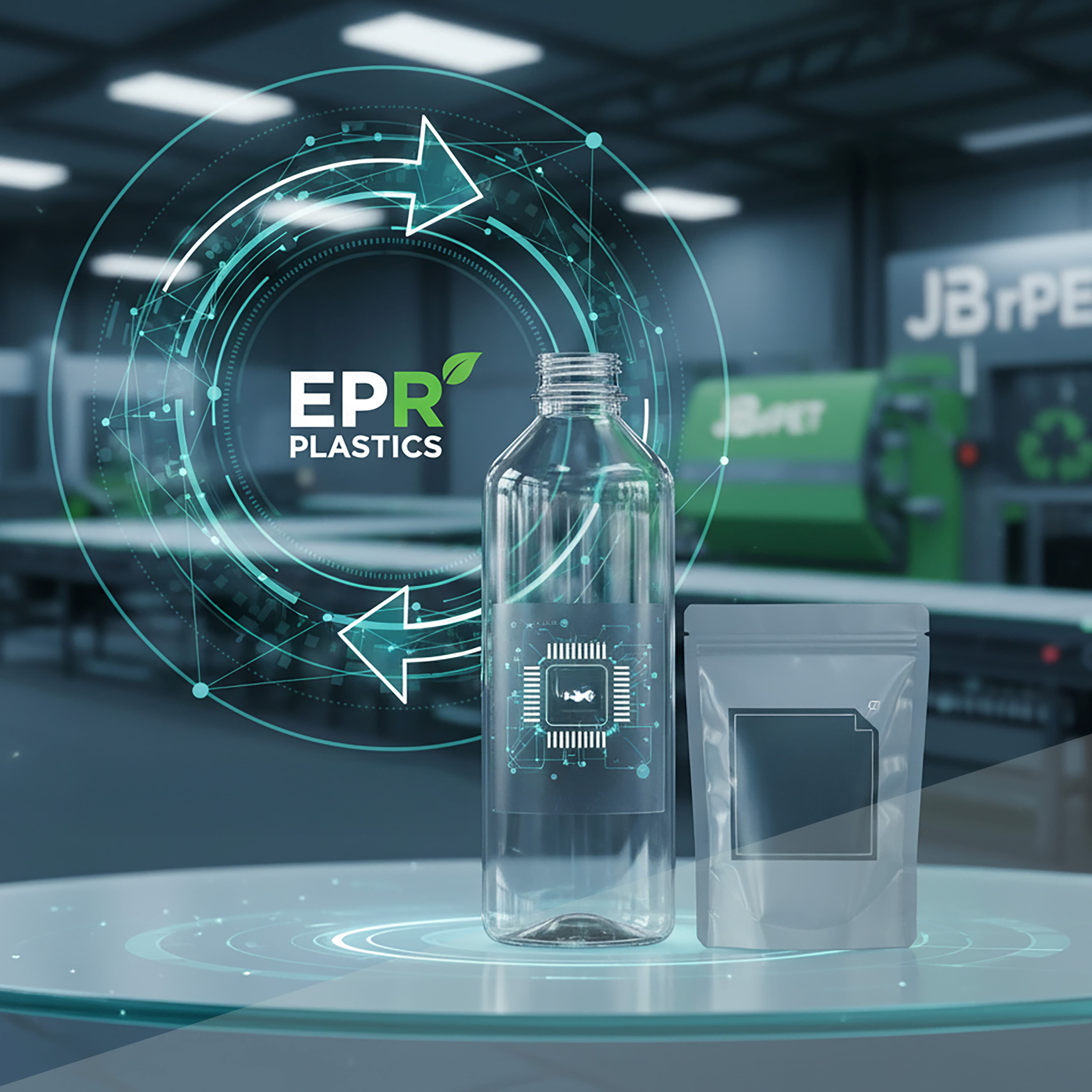
Brands that fail to integrate circular design and traceable recycled content risk penalties, reputation loss, and missed business opportunities. At JB rPET, we help brands stay ahead of these changes by ensuring their packaging choices are future-ready, verifiable, and built for compliance from day one.
Plastic Credits vs. Carbon Credits
A common question: what’s the difference? Plastic credits target the material side: proving actual tonnes of plastic waste have been responsibly recycled. Carbon credits address the greenhouse gas side, allowing companies to offset CO₂ and other climate impacts.
Skeptics sometimes worry that credit-based systems are about appearances, not results. That’s why JB rPET’s approach is built on third-party, transparent certification. Every project and every transaction is audited, reported, and published. Plus, we work closely with regulators and standards bodies to ensure and update best practices.
The Road Ahead

Tomorrow’s industry leaders aren’t just minimizing waste, they’re decoding it, measuring it, and making it a central pillar of their business strategy. JB rPET empowers brands to be “waste-literate,” equipping them to navigate the regulatory maze, build resilient supply chains, and drive competitive advantage. The future belongs to the brands that care enough to rethink waste before it’s created. Because designing better isn’t just about how things look, it’s about how long they last, where they end up, and what they give back. At JB rPET, we believe every recycled bottle is proof that change is possible, when design, intent, and responsibility work together.
FAQs
1. What are plastic credits, and
why are they important?
Plastic credits represent verified tonnes of waste recycled, creating a
measurable way for brands to tackle plastic pollution.
2. How do plastic credits help
reduce plastic pollution?
By providing incentives and funding for collection, recycling, and
transparency, they drive real behaviour change across supply chains.
3. Who can benefit from plastic credits in India?
Any business that uses packaging, from FMCG and beverage brands to e-commerce and retail, can use credits to meet EPR goals and show real climate commitment.
4. How does plastic credits
certification work?
Credits must be traced, third-party audited, and reported to count for
compliance and corporate sustainability metrics.
5. What is the difference
between plastic credits and carbon credits?
Plastic credits offset material/litter; carbon credits offset emissions.
JB rPET brings both together via measurable scaling of recycling and
climate impact.
6. Can plastic credits help
companies meet regulatory requirements like EPR?
Yes, plastic credits are the backbone of compliance for many brands,
especially under India’s new rules.
7. Are plastic credits
recognized by international sustainability standards?
Increasingly so, as global frameworks embrace more holistic waste and
climate accounting.
8. How do recyclers and rPET producers impact the plastic
credits market?
They are the supply-side engines for verified collection and processing,
ensuring the credits you buy are grounded in real action.
9. What role will JB rPET play as the market matures?
Leading transparency, innovation, and the dual goal of waste and carbon elimination, helping companies align CSR, circularity, and competitive vision.
With JB rPET, designing waste out of tomorrow is more than a mission, it’s a movement, bottle by bottle, credit by credit, toward a world where sustainability is truly business as usual.