Before You Design for Tomorrow, Let’s Debunk Today’s Plastic Recycling Myths
If sustainable design had a greatest enemy, would it be plastic? Or maybe packaging. Or the landfill we pretend not to see? Well, it would be… recycling myths. Gloriously persistent, wildly inaccurate myths. Because tomorrow’s solutions only begin when today’s confusion ends, starting with recycling myths debunked.
In this article, we will break down the plastic recycling myths holding the circular economy hostage.
MYTH 1: “All plastic gets recycled.”
Spoiler: No. Not even close.
Let’s rip this band-aid off dramatically. Most people believe plastic enters a recycling bin → goes to the magical land of sorting fairies → returns as a brand-new bottle. But the real answer to “what happens to plastic bottles when they are recycled?” is a plot twist nobody asked for.
According to an article in UNDP, less than 10% of all the plastic actually gets recycled. The rest is burned, dumped, landfilled, or joined the great international ocean tour. Why? Because not everything can be recycled. Because not everything is designed to be recycled. And because recycling systems collapse the moment you throw a ketchup-coated, five-layer, neon-printed pouch into the mix.
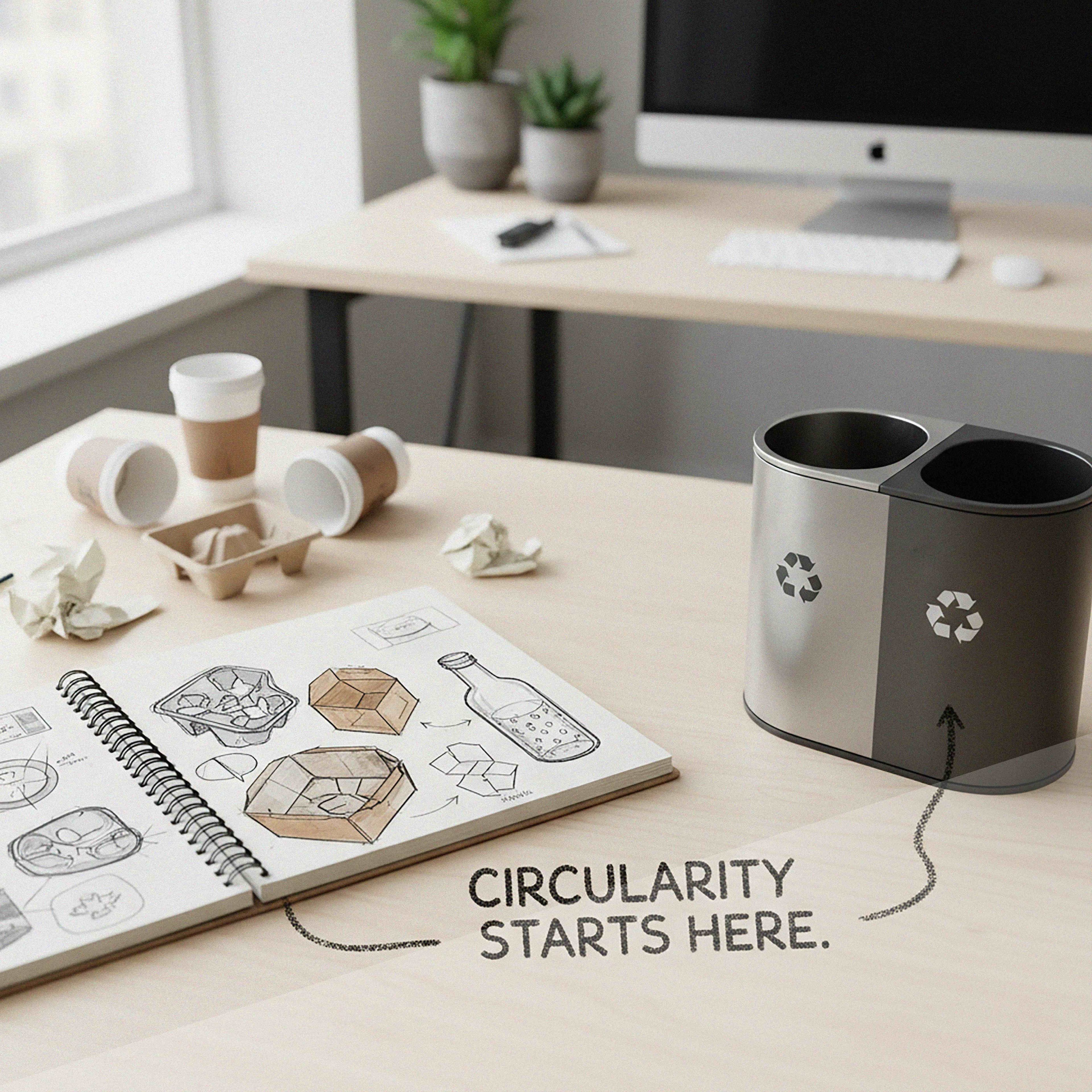
Reality check: The gap isn’t in collection alone, it’s in design. Circularity doesn’t start at the dustbin. It starts at the drawing board.
MYTH 2: “rPET is just another name for regular plastic.”
Wrong. Very, very wrong.
This one is personal for anyone working with rPET recycling. Let’s simplify:
- PET = plastic made from virgin fossil fuels
- rPET = plastic made from used PET bottles
One is born from petroleum. The other is reborn from being discarded on the roads and oceans. The magic of post consumer PET recycling is that PET is one of the few plastics on the planet that can be recycled into food-grade materials again and again without major performance loss. That’s why rPET is the gold standard of circular packaging.
But here’s the plot twist: Brands often don’t choose rPET, not because it’s worse, but because they believe another myth…
MYTH 3: “Recycled plastic compromises quality.”
Reality: It depends on the type of recycling.
The majority of people still think of recycling as a single, large procedure. However, understanding the distinction between chemical recycling vs mechanical recycling is crucial when it comes to PET.
The common method is mechanical recycling, which involves washing, shredding, melting, and turning bottles into rPET. It produces robust, dependable performance when treated correctly. However, it does have trouble handling complex or polluted material.
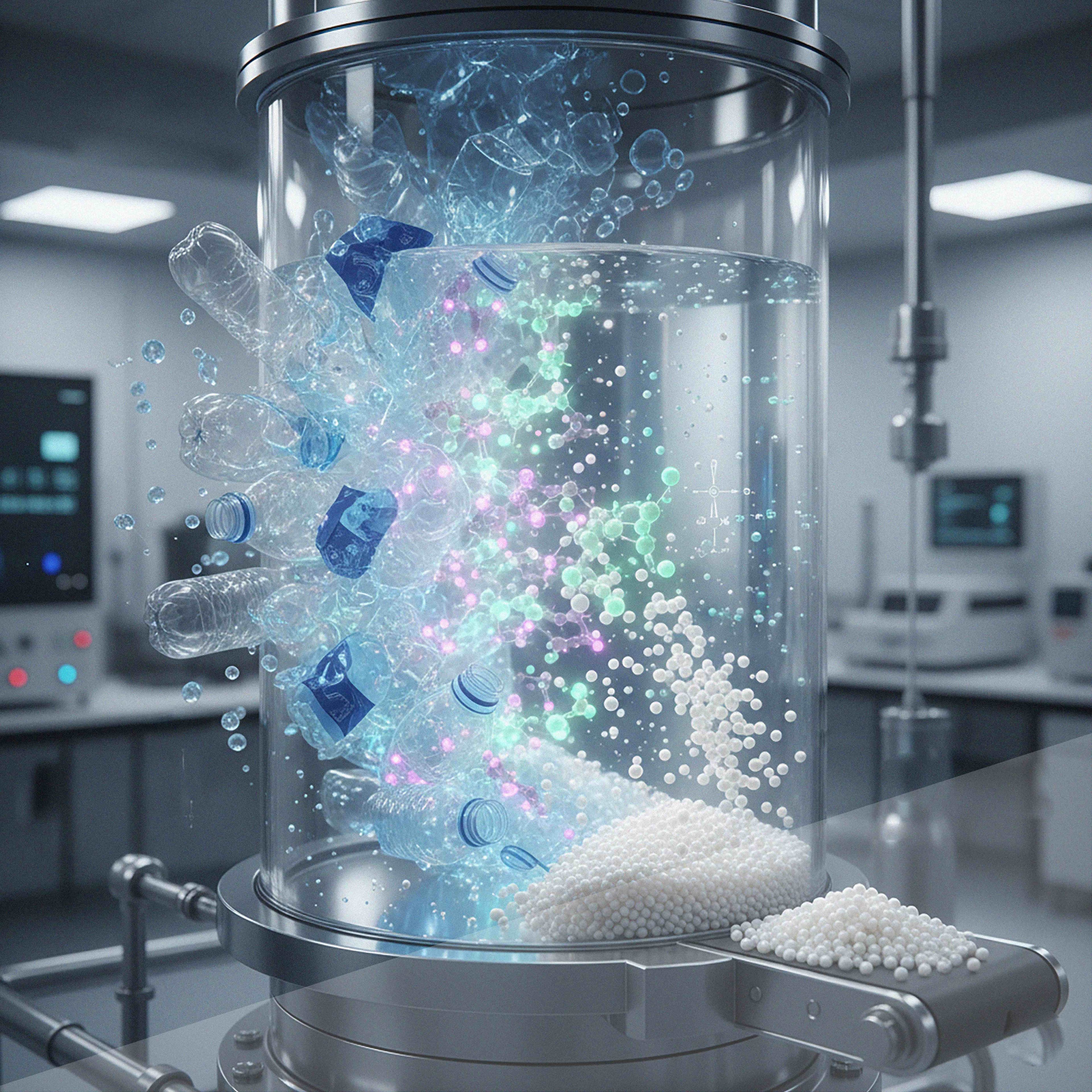
Conversely, chemical recycling disassembles PET into its constituent molecules. That means you can recreate plastic with virgin-like purity, even from waste streams that mechanical systems can’t handle.
So no, rPET recycling doesn’t “lose quality.” Poor processes do. With the right mix of mechanical efficiency and chemical precision, rPET can be as good as and sometimes better for the planet than virgin resin.
MYTH 4: “If consumers want sustainability, brands will change.”
Nope. Consumers want it. Systems aren’t ready for it. A favourite plastic recycling myth in boardrooms: “People don’t care about sustainable packaging.”
Reality check: A recent McKinsey & Company report found that at least 40% of consumers in countries like India say they’re willing to pay more for sustainable packaging. Want another reality check? Many brands still choose mixed laminates, foils, or heavy-print packaging, materials with a guaranteed one-way ticket to landfill.
This isn’t a consumer problem. It’s a design problem. It’s a systems problem. It’s a mindset problem. Circularity needs foresight, not wishful thinking.
MYTH 5: “Textiles don’t belong in the recycling conversation.”
Actually, they’re suffocating the conversation. Literally.
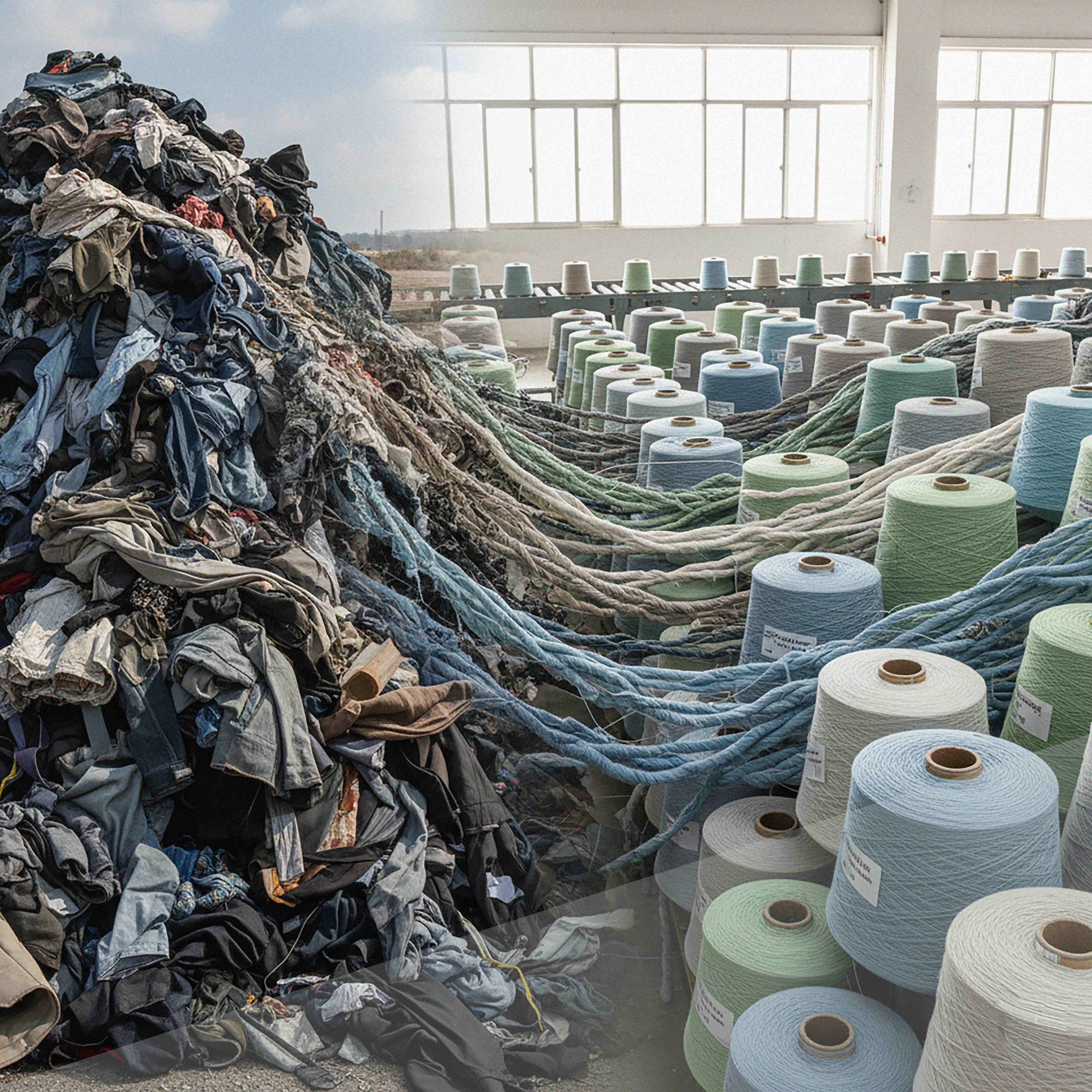
Most people think recycling = bottles and bags. But fashion? Welcome to the world’s most stylish sustainability crisis. Millions of tons of textile waste end up in landfills each year, and polyester apparel, yes, the same polymer family as PET, can and ought to be a part of the rPET ecosystem. Ironically, the PET in your t-shirt could have previously been a bottle, yet we treat clothing like throwaway tissues. And with the right systems, it could become one again.
At JB rPET, we’re already proving otherwise. Our Textile to Textile chemical recycling initiative is built on a straightforward idea: every discarded garment still has value locked inside it. We are completing the loop piece by piece by disassembling fibers and reassembling them into new yarns. In order to make circular fashion feasible, realistic, and scalable, we are continuously improving this system.
MYTH 6: “Recycling is the end goal.”
No. The end goal is designing so well, recycling becomes effortless. We often talk about recycling as if it's a superhero. But recycling is actually the clean-up crew; it fixes what design didn’t solve.
The real hero is designing for circularity:
- One material instead of four
- Clear labels instead of a carnival
- Structures that come apart
- Packaging that matches recycling systems
- End-of-life is considered at the start-of-design
And at JB rPET, this is exactly the gap we work to close. We don’t just recycle, we upcycle, turning post-consumer waste into materials with a longer, stronger future. Because packaging that is designed with circularity in mind cycles back into the system with a purpose rather than ending up in a landfill.
MYTH 7: “Sustainable packaging is expensive.”
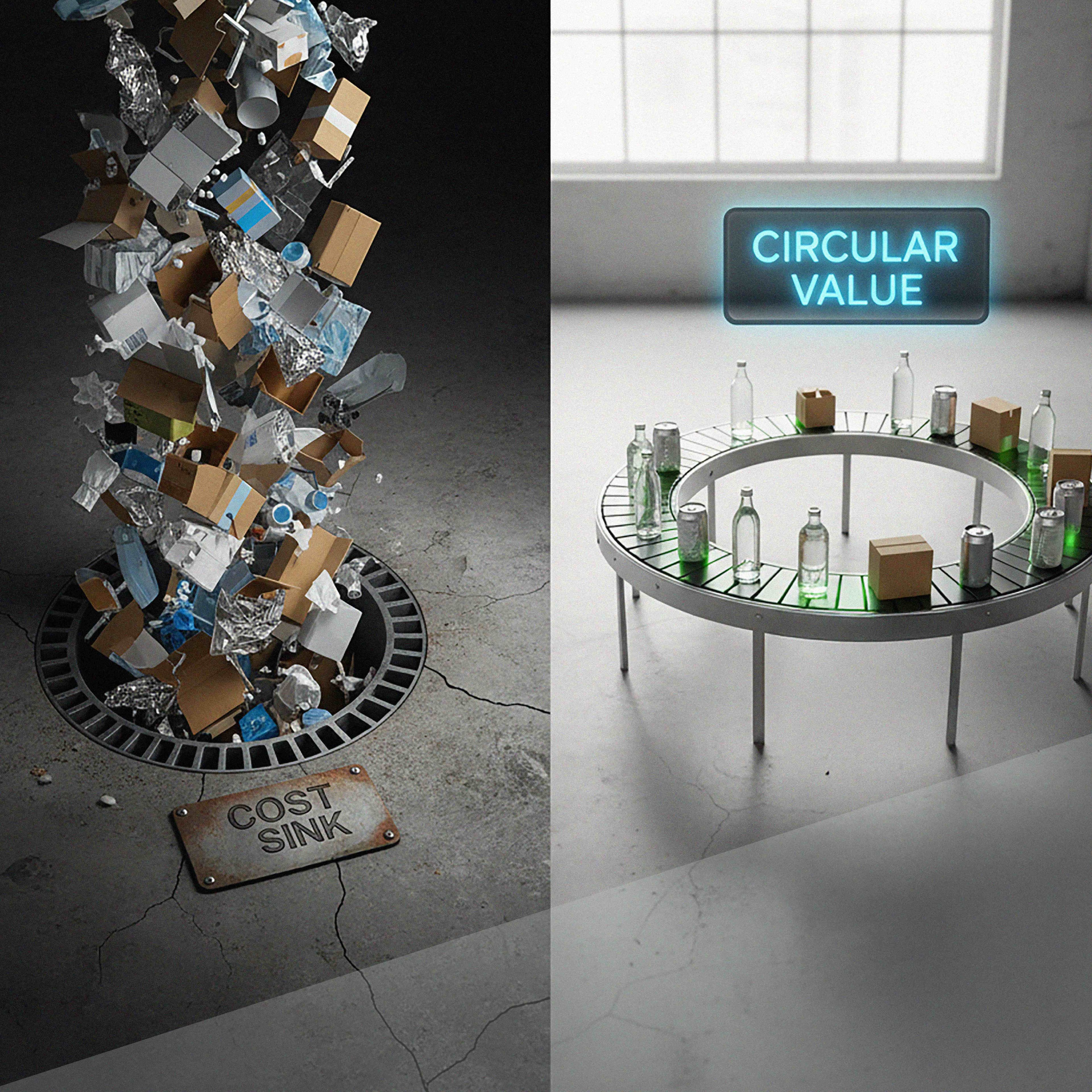
It’s only expensive when you do it wrong. Here’s the truth no one loves hearing: Complex packaging costs more money to make, more money to collect, more money to dump.
Circular packaging often:
- reduces material use
- increases recyclability
- generates recoverable value
- unlocks rPET markets (and revenue streams)
Sustainability isn’t a cost. Bad design is.
So… what now?
With 2025 ending, 2026 brings a chance to reset our mindset. Designing waste out of tomorrow doesn’t begin with breakthrough materials or trends; it begins with unlearning the misconceptions that keep circularity out of reach.
Because the moment these recycling myths fall apart, something powerful happens: brands begin to choose better materials, systems start to connect, and packaging suddenly stops being “waste” and starts being a resource. And yes, that’s where rPET truly shines.
Rewriting the Future
For the circular economy to work, we need three things:
1. Materials designed for recovery (like PET)
2. Systems that can recycle efficiently
3. Brands willing to challenge recycling myths
At JB rPET, we’re not just dreaming of a circular future, we’re building it. Our patented chemical recycling process breaks PET down into its molecular building blocks and reconstitutes it into recycled resins. We lead not only in scale but also in integrity, with an annual production capacity of more than 29,000 MT of chemically-recycled rPET resins and a dedication to circular innovation. Our rPET is more than simply recycled plastic; it's proof that we can create more intelligent futures when we dispel the myths around recycling. And that’s how tomorrow becomes waste-free.