rPET Recycling Process: Why the Industry Needs Both Mechanical and Chemical Recycling
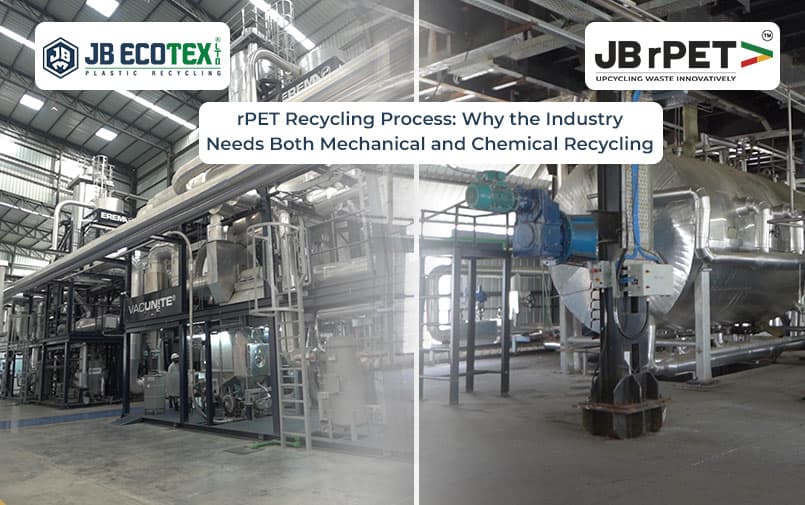
The PET value chain is entering a period of rapid transition. Industries across packaging, textiles, automotive, and technical products require reliable access to recycled resin. Governments have introduced ambitious material recovery targets. Brands are adopting global sustainability commitments. All of these shifts have increased demand for recycled PET at a scale the industry has never seen.
The backbone of this transformation is the rPET recycling process. The industry depends on both mechanical recycling and chemical recycling. Each process handles different forms of waste and supports different performance outcomes. This diversity strengthens circularity. JB rPET operates in this expanding ecosystem with a chemical recycling process designed to produce consistent and high-quality resin for advanced applications.
This blog explores how the rPET recycling process works, why the world relies on multiple recycling technologies, and how JB rPET supports the industry with molecular-level recycling. It also highlights insights on waste quality, feedstock complexity, performance requirements, and the long-term need for innovation in the PET circular ecosystem.
Understanding the rPET Recycling Process in a Circular Economy
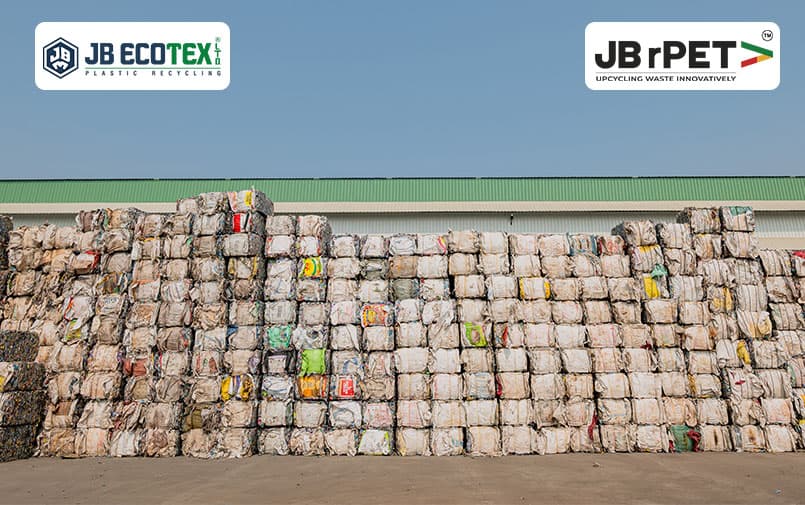
The rPET recycling process sits at the centre of a circular PET economy. The material that enters this system includes bottles, food containers, packaging films, polyester fibres, and industrial PET waste. The global challenge lies in the diverse quality of PET waste. Some batches are clean and sorted. Others contain low-quality material, colour variations, or contamination. The industry needs processes that can accept these differences.
Mechanical recycling and chemical recycling contribute to this system in different ways. Both bring distinct advantages. The rPET recycling process only becomes scalable when both methods work in an integrated ecosystem. JB rPET supports this ecosystem by supplying high-quality recycled resin that originates from molecular purification.
Demand for recycled PET is expected to grow steadily. Reports by leading market research firms show long-term increases in demand for packaging-grade rPET and textile-grade rPET. Circularity goals from major brands also support this momentum. This places greater focus on technologies that increase the total volume of recyclable PET.
The Two Most Common rPET Recycling Processes
The industry uses two primary routes in the rPET recycling process. Both routes contribute to global supply. JB rPET works within this ecosystem by supporting chemical recycling where advanced material quality is required.
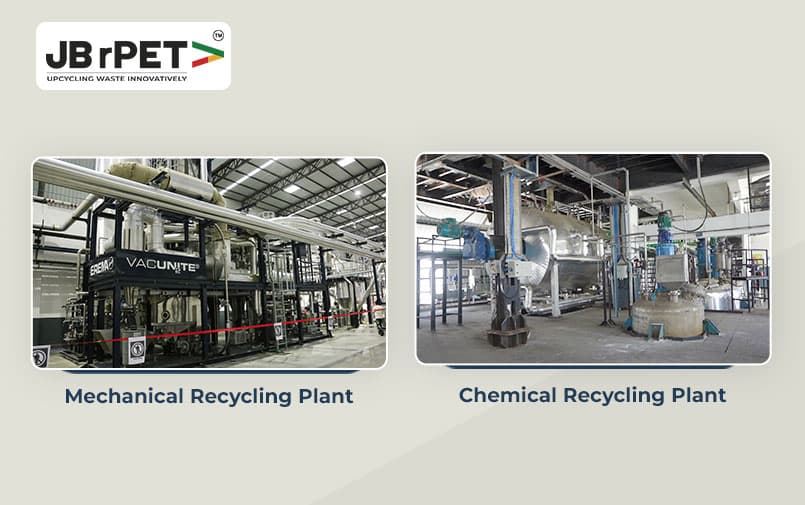
Mechanical Recycling
This approach involves cleaning, sorting, shredding, melting, and reprocessing PET waste. Mechanical recycling functions well when the input stream is clean, transparent, and free from contaminants. It supports applications with stable feedstock and consistent colour.
Mechanical recycling of PET bottles is the most common method for turning clear bottles into flakes and pellets. It creates a reliable source of recycled material for many applications. Industries have invested heavily in infrastructure that supports the mechanical recycling of PET bottles. This has helped increase PET recovery rates in several regions.
Chemical Recycling
Chemical recycling breaks the polymer down into monomers. These monomers undergo purification and polymerisation to create recycled PET resin. This method accepts more varied feedstock. It supports material uniformity at the molecular level and helps create resin suitable for high-performance applications, including selected packaging and textile products.
Mechanical recycling vs chemical recycling is not a competition. It is a combined system. Each process handles different types of waste. Together, they increase circularity. JB rPET operates on the chemical recycling side of this ecosystem.
Types of Chemical Recycling Technologies Used Worldwide
The industry uses several approaches under the broader umbrella of PET chemical recycling technology. These technologies have matured globally and support different use cases depending on energy requirements, feedstock quality, and output goals.
Glycolysis
This method breaks PET down using glycol at a controlled temperature. It produces monomers suitable for repolymerisation. Glycolysis is widely used because it handles coloured and low-grade PET waste.
Methanolysis
This method breaks PET using methanol at controlled conditions. It produces monomers with a high level of purity. Methanolysis supports feedstock that cannot enter mechanical lines.
Hydrolysis
Hydrolysis breaks down PET using water at elevated temperature and pressure. It delivers purified monomers. This method handles a wide range of PET waste streams.
These approaches represent different paths within PET chemical recycling technology. Global companies adopt variations of these processes. JB rPET uses a controlled process that includes purification, fine filtration, and continuous polymerisation.
Why the Industry Needs Both — Not One or the Other
A sustainable circular ecosystem cannot rely on a single technology. The rPET recycling process becomes stronger when mechanical and chemical systems work together at scale.
1. Different Waste Qualities Require Different Solutions
Mechanical recycling works best when the waste is clean, sorted, and colour consistent. Chemical recycling supports complex, low-quality, or contaminated PET waste. Together, they bring a wider range of PET back into circulation.
2. Scaling Circularity Requires Technology Diversity
Mechanical recycling is mature and established. Chemical recycling is growing rapidly. Coexistence supports:
- Flexibility in supply chains
- Stability when waste quality changes
- Greater feedstock availability for circular loops
3. Meeting Increasing rPET Mandates
Governments and brands have introduced strict recycled content targets. No single method can meet this demand. Both methods together support:
- Larger bottle to bottle recycling process streams
- Higher availability of high-quality resin
- Reduced reliance on virgin PET
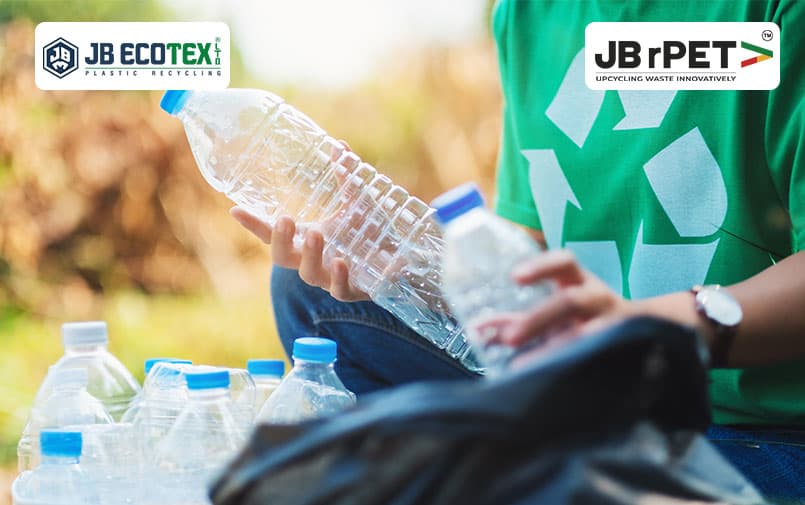
4. Enabling True Circularity
Mechanical recycling cannot handle all PET waste forms. Chemical recycling requires scaling and investment. Together they create a system that is:
- Economical
- High quality
- Technologically reliable
- Environmentally responsible
JB rPET’s Chemical Recycling Process
JB rPET operates a structured chemical recycling workflow designed for consistency and material stability. The steps are:
1. Feedstock
Sourcing
PET bottles, clean PET input, and selected textile waste.
2. Washing and Sorting
High-efficiency cleaning lines remove labels, dirt, and impurities.
3. Depolymerisation
Controlled temperature and optimised conditions break PET into monomers.
4. Purification
Advanced purification removes contaminants and improves clarity.
5. Fine Filtration
Filtration down to very fine levels improves uniformity.
6. Continuous
Polymerisation
Polymerisation produces stable intrinsic viscosity and consistent
mechanical properties.
7. Quality Testing
GC-MS-HS, ICP-MS, DSC, IV measurement systems, moisture checks, colour
testing.
8. Final Resin Output
Consistent pellets with stable viscosity, colour, and processing behaviour.
This process strengthens circularity, supports textile and packaging applications, and ensures stable performance for industrial buyers.
How Chemical Recycling Solves Common Industry Problems
The rPET recycling process faces challenges that mechanical recycling cannot handle alone. Chemical recycling helps address these issues.
1. Mixed and contaminated feedstock
Colour variations, dirt, labels, adhesives, and post-industrial textile waste reduce recyclability. Chemical recycling handles these complexities through depolymerisation and purification.
2. Quality degradation during repeated cycles
Mechanical recycling can cause polymer chain changes. Chemical recycling rebuilds PET from purified monomers, supporting stable properties.
3. Textile waste recovery
Textile waste contains dyes and finishes. Chemical recycling breaks down polyester and purifies it at the monomer level. This helps increase circularity for polyester textiles.
4. Performance uniformity
Converters and textile mills need predictable viscosity and colour. Chemical recycling delivers consistent properties for processing stability.
Bottle to Bottle Recycling in a Dual-Technology System
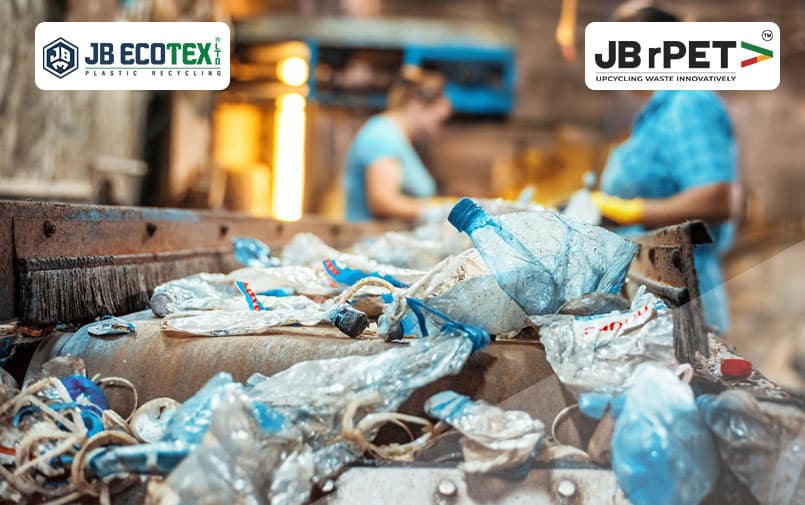
The bottle to bottle recycling process depends on resin purity, clarity, and intrinsic viscosity. Clean PET flows into the mechanical recycling of PET bottles. Complex PET enters chemical recycling. This dual approach strengthens the bottle-to-bottle recycling process by improving feedstock availability and supporting quality expectations.
JB rPET contributes to this stream by producing high-quality resin through molecular purification and continuous processing.
Strengthening Trust Through Process Transparency
Customers want reliability, clarity, and consistent technical performance. JB rPET supports this through:
- Detailed testing systems
- Automated processing lines
- Controlled depolymerisation and purification
- Continuous polymerisation
- Clear communication of process steps
- Strong group backing These elements help customers feel confident when sourcing resin from JB rPET.
These elements help customers feel confident when sourcing resin from JB rPET.
A Stronger Circular PET Future
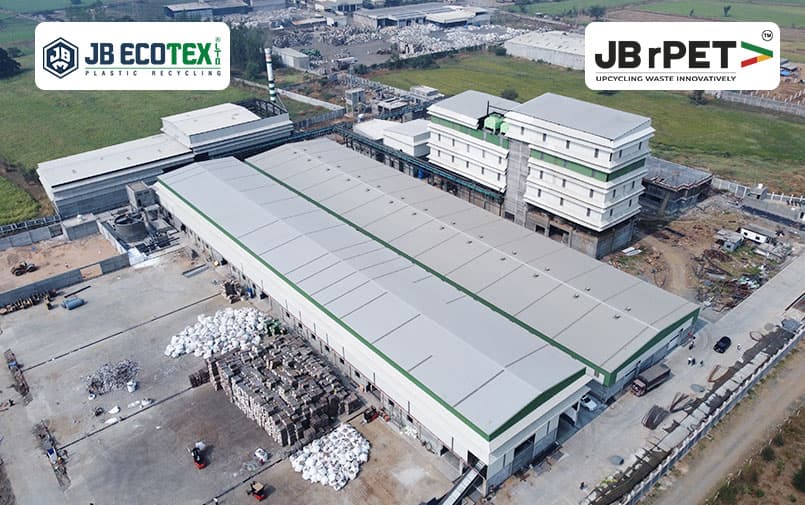
The rPET recycling process depends on multiple technologies working together. Mechanical recycling increases scale. Chemical recycling expands feedstock versatility. Together, they create a stronger circular ecosystem that manages diverse waste streams and supports long-term sustainability goals.
JB rPET contributes to this ecosystem through a chemical recycling process that focuses on stability, uniformity, and quality. The company remains committed to advancing circularity and supporting the industry with reliable recycled PET resin.