Intrinsic Viscosity in PET: What It Means, How It’s Measured, and Why It Matters for Performance
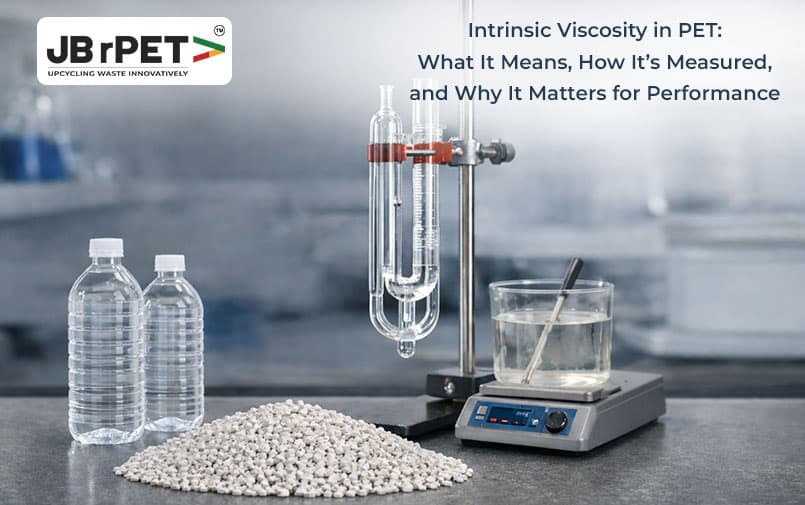
When you work with PET packaging material, polyester fibers, or engineered resins, one term shows up everywhere: intrinsic viscosity.
It appears in technical datasheets.
It’s quoted in procurement discussions.
It decides whether a batch is suitable for strapping, bottles, film, or fiber.
And yet, it’s often misunderstood.
We want to take this opportunity to break down intrinsic viscosity (IV) in the context of PET, explains how it is calculated and tested, clarifies the intrinsic viscosity unit, and connects IV directly to real-world applications such as recycled packaging materials and chemically recycled PET.
If you are working with PET resin, this is foundational knowledge.
What Is Intrinsic Viscosity?
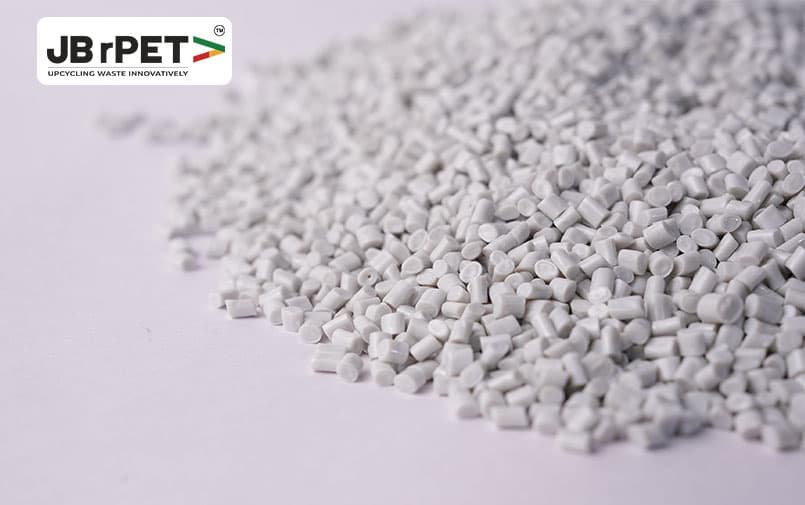
Intrinsic viscosity (IV) is a measure that indicates the average molecular weight of a polymer. In simple terms, it tells you how long and entangled the polymer chains are.
For PET, longer chains generally mean:
- Higher mechanical strength
- Better melt stability
- Improved impact resistance
- Enhanced processing window
When we refer to intrinsic viscosity IV, we are essentially describing how “robust” the polymer chain structure is.
In PET, IV directly influences:
- Bottle performance
- Sheet strength
- Fiber tenacity
- Strap load-bearing capacity
The intrinsic viscosity of PET polymer becomes a critical selection parameter depending on the final application.
Why Intrinsic Viscosity of PET Is So Important
The intrinsic viscosity of PET determines how the material behaves during:
- Extrusion
- Injection molding
- Blow molding
- Fiber spinning
For example:
| Application |
Typical
IV Range (dl/g) |
| Textile Fiber |
0.60 – 0.65 |
| Bottle Grade |
0.72 – 0.84 |
| PET Strap |
0.80 – 1.00 |
| Engineering Applications |
Higher IV as required |
Higher IV typically correlates with:
- Better tensile strength
- Improved creep resistance
- Greater load stability
However, excessively high IV can increase processing difficulty due to higher melt viscosity.
That balance is critical.
Intrinsic Viscosity and Molecular Weight Distribution in Industrial PET
While intrinsic viscosity measures average molecular weight, industrial performance depends not only on the average, but also on molecular weight distribution (MWD).
Two PET resins can have identical intrinsic viscosity IV values yet behave differently during:
- Stretch blow molding
- High-speed extrusion
- PET strap production
This is because IV reflects a calculated average. However, processing stability depends on:
- Chain length uniformity
- Low oligomer content
- Controlled degradation pathways
For high-performance PET packaging material, narrow molecular weight distribution ensures:
- Uniform melt flow
- Consistent orientation during stretching
- Reduced variability in mechanical strength
In recycled systems, controlling both intrinsic viscosity of PET polymer and molecular weight distribution becomes essential to match virgin-grade performance.
This distinction is rarely discussed, yet it defines real-world manufacturing reliability.
Intrinsic Viscosity Equation and What It Represents
At a scientific level, intrinsic viscosity is derived from polymer solution behavior.
The intrinsic viscosity equation is:
[
[\eta] = \lim_{c \to 0} \frac{\eta_{sp}}{c}
]
Where:
- ([\eta]) = intrinsic viscosity
- (c) = concentration
- (\eta_{sp}) = specific viscosity
The intrinsic viscosity formula essentially extrapolates viscosity behavior to zero concentration, removing intermolecular interactions and isolating polymer chain contribution.
This allows researchers to estimate molecular weight using the Mark–Houwink equation:
[
[\eta] = K M^a
]
Where:
- (M) = molecular weight
- (K) and (a) = constants depending on polymer and solvent
Understanding the intrinsic viscosity equation helps connect IV to actual chain length and performance characteristics.
Intrinsic Viscosity vs Melt Flow — Why They Are Not Interchangeable
In polymer evaluation, intrinsic viscosity and melt flow index are sometimes compared. However, they measure different aspects.
Intrinsic viscosity:
- Determined through solution-based testing
- Indicates molecular weight
- Expressed in dl/g
Melt flow index:
- Determined through melt testing
- Indicates flow behavior under load
- Expressed in g/10 min
In PET systems, especially for high-performance PET packaging material, intrinsic viscosity offers a more reliable predictor of structural performance.
Understanding this difference positions manufacturers to make informed material selection decisions.
Intrinsic Viscosity Unit Explained
The standard intrinsic viscosity unit is:
dl/g (deciliters per gram)
Sometimes expressed as:
- dL/g
- mL/g (less common, conversion required)
The intrinsic viscosity unit reflects how much a polymer increases solution viscosity relative to its concentration.
For PET applications, values typically range between:
- 0.55 dl/g (lower molecular weight)
- 1.00 dl/g or higher (high strength applications)
Whenever someone mentions “0.80 IV material,” they are referring to intrinsic viscosity IV measured in dl/g.
Intrinsic Viscosity PET Test Method
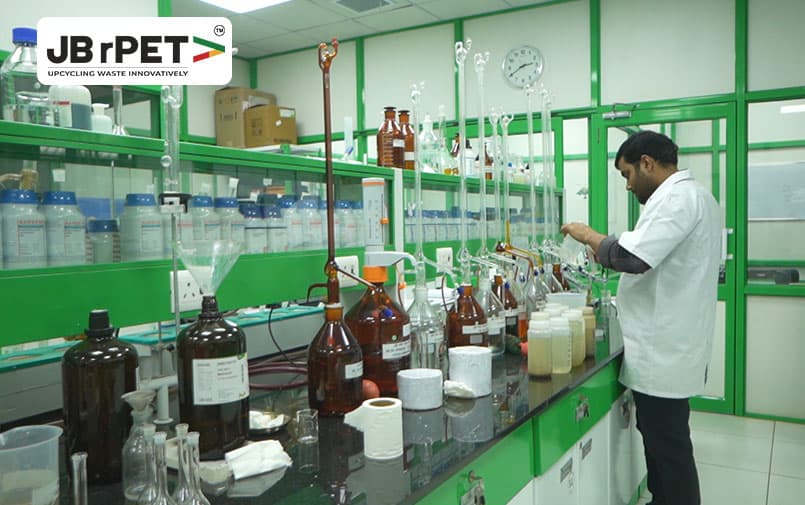
The intrinsic viscosity PET test method is standardized to ensure consistency across laboratories and production facilities.
Common Testing Approach
1. PET sample is dissolved in a solvent mixture
Often phenol and tetrachloroethane
2. The solution is tested in a capillary viscometer
3. Flow time is measured
4. Calculations are applied to determine IV
This is sometimes referred to as:
- Capillary viscometry
- Solution viscosity testing
- Inherent viscosity testing
Inherent Viscosity Testing vs Intrinsic Viscosity
Many people confuse inherent viscosity testing with intrinsic viscosity measurement.
- Inherent viscosity testing measures viscosity at a single concentration.
- Intrinsic viscosity requires extrapolation to zero concentration.
Both relate to molecular weight, but intrinsic viscosity offers higher accuracy when correlating performance.
Intrinsic Viscosity of PET Polymer in Recycled Systems
As sustainability becomes central to polymer manufacturing, understanding IV in recycled systems becomes essential.
PET can undergo:
- Mechanical recycling
- Chemical recycling
Each pathway influences molecular weight differently.
Chemically Recycled PET and IV Stability
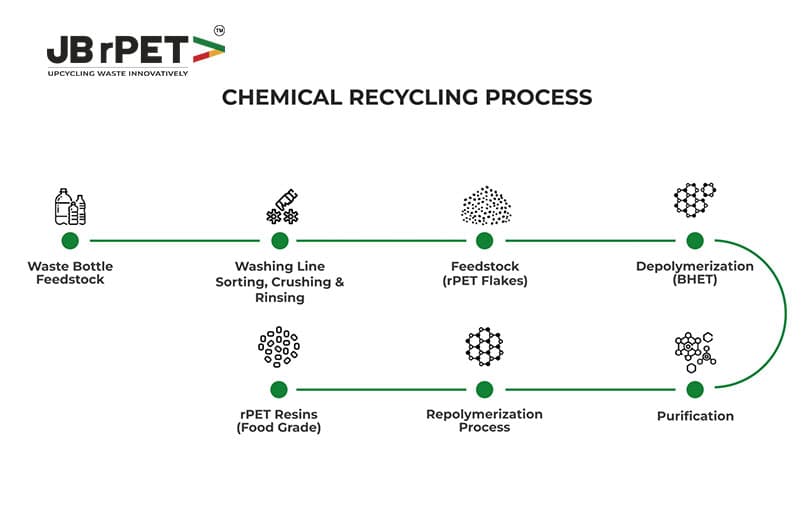
Chemically recycled PET breaks polymer chains down to monomers or oligomers and rebuilds them into controlled polymer structures.
This allows:
- Precise molecular weight targeting
- Stable intrinsic viscosity control
- Lower contamination variability
In contrast, mechanical recycling may result in IV fluctuations depending on feedstock quality.
For high-performance recycled packaging materials, maintaining stable IV is critical.Advanced molecular rebuilding through chemical recycling of PET enables controlled intrinsic viscosity of PET polymer suitable for high-performance applications.
Mechanical Recycling and Chemically Recycled PET — Intrinsic Viscosity Management Approaches
Both mechanical recycling and chemically recycled PET systems contribute meaningfully to the circular economy in packaging. Each pathway manages intrinsic viscosity in different ways depending on process design and feedstock control.
In mechanical recycling systems:
- Careful drying is essential to protect intrinsic viscosity of PET polymer
- Process temperature management helps maintain molecular weight
- IV monitoring ensures suitability for targeted applications
Well-managed mechanical recycling operations can successfully deliver recycled packaging materials with application-specific intrinsic viscosity IV targets.
Chemically recycled PET follows a different molecular pathway. Through depolymerization and re-polymerization, manufacturers can:
- Rebuild polymer chains to engineered intrinsic viscosity levels
- Produce consistent cPET resins across production cycles
- Align intrinsic viscosity PET test method results with defined product grades
From an industry standpoint, both systems rely heavily on accurate intrinsic viscosity testing and molecular weight control.
The focus is not on the route but on how precisely intrinsic viscosity is engineered for end-use performance.
cPET Resins and Molecular Weight Control
cPET resins, produced through advanced chemical recycling routes, offer:
- Controlled intrinsic viscosity of PET polymer
- Consistent melt behavior
- Lower degradation variability
This is especially important when producing:
- Bottle-grade resin
- High-strength strap material
- Specialty PET packaging material
Because IV directly impacts processing window and mechanical performance.
Intrinsic Viscosity and PET Packaging Material Performance
In PET packaging material, IV influences:
- Top load strength
- Barrier performance
- Impact resistance
- Clarity
For example:
- Low IV may cause bottle deformation
- Excessively high IV may affect process efficiency
This is why IV is a key parameter when manufacturing products made from recycled PET.
Circular Economy in Packaging and IV Control
The circular economy in packaging depends on maintaining polymer performance across recycling loops.
If IV drops significantly:
- Mechanical strength reduces
- Application range narrows
- Recycled content usability decreases
Advanced recycling solutions, including chemically recycled PET, aim to restore intrinsic viscosity levels to near-virgin quality.
This ensures recycled packaging materials can compete technically with conventional resins.
Intrinsic Viscosity in Recycled Packaging Materials — Regulatory and Performance Considerations
As recycled packaging materials increase in global adoption, regulatory frameworks require:
- Traceable feedstock
- Controlled contamination levels
- Verified material properties
Intrinsic viscosity becomes a measurable validation parameter.
For PET packaging material made from recycled PET, IV stability demonstrates:
- Molecular integrity
- Process suitability
- Structural reliability
When working with chemically recycled PET or cPET resins, consistent intrinsic viscosity PET test method data supports compliance documentation and technical qualification.
This strengthens the role of IV as a performance and regulatory bridge in the circular economy in packaging.
Factors That Affect Intrinsic Viscosity of PET
Several factors influence IV:
1. Polymerization Conditions
Temperature, catalyst, and reaction time directly affect molecular weight.
2. Solid State Polymerization
Often used to increase IV post-polymerization.
3. Moisture Content
Hydrolysis reduces IV during processing.
4. Thermal Degradation
Excessive heat reduces molecular weight.
5. Recycling Cycles
Repeated melt processing can decrease IV unless restored.
Understanding these variables is critical in both virgin and recycled PET systems.
Solid State Polymerization (SSP) and Intrinsic Viscosity Enhancement
Solid State Polymerization is widely used to increase intrinsic viscosity of PET polymer after initial melt polymerization.
In SSP:
- PET chips are heated below melting point
- Chain extension occurs in solid phase
- IV increases without excessive thermal degradation
SSP is especially relevant when:
- Producing bottle-grade resin
- Upgrading recycled streams
- Manufacturing high-strength PET packaging material
In the context of circular economy in packaging, SSP allows recycled feedstock to achieve application-specific intrinsic viscosity IV targets.
This process is central to delivering high-performance cPET resins.
Application-Specific IV Requirements
Different industries require different IV targets:
Bottle Industry
High IV ensures:
- Structural integrity
- Pressure resistance
- Shelf stability
PET Strap Manufacturing
Higher IV improves:
- Tensile strength
- Elongation control
- Load retention
Fiber and Textile
Balanced IV supports:
- Spinnability
- Tenacity
- Uniform denier
Matching IV to application prevents performance mismatch.
Quality Control and IV Consistency
For manufacturers and converters, consistency matters more than just target number.
Stable intrinsic viscosity IV ensures:
- Predictable extrusion
- Reduced downtime
- Lower rejection rates
Reliable intrinsic viscosity PET test method practices are central to resin quality assurance.
Intrinsic Viscosity Formula in Practical Terms
While the intrinsic viscosity formula may appear theoretical, in industrial practice it translates into:
- Molecular weight distribution control
- Mechanical performance consistency
- Processing predictability
When evaluating PET resin suppliers, IV range tolerance is often a key evaluation parameter.
Recycled Packaging Materials Made from Recycled PET
Today, many high-performance applications are:
- Made from recycled PET
- Engineered using Chemically recycled PET
- Optimized with controlled intrinsic viscosity
Maintaining IV in recycled packaging materials allows:
- High recycled content
- Technical reliability
- Regulatory alignment
Without compromising application performance.
Intrinsic Viscosity and Application Engineering — Beyond the Number
In industrial practice, intrinsic viscosity is not evaluated in isolation.
It is analyzed alongside:
- Acetaldehyde levels
- Moisture content
- Crystallinity
- Thermal stability
- Melt flow characteristics
For example:
- Bottle-grade PET may require optimized IV for stretch orientation
- PET strap manufacturing demands high IV for tensile performance
- Fiber-grade resin requires balanced IV for spinning stability
In advanced manufacturing environments, IV is part of a broader material engineering strategy.
Expert buyers evaluate intrinsic viscosity IV not as a standalone metric, but as a predictor of downstream performance.
This level of analysis signals serious technical capability.
The Strategic Role of Intrinsic Viscosity in the Future of PET
As the industry shifts toward sustainable materials and circular economy models, intrinsic viscosity becomes more than a technical metric.
It becomes:
- A quality benchmark
- A recycling feasibility indicator
- A performance certification parameter
With increasing demand for materials made from recycled PET, maintaining intrinsic viscosity of PET polymer within tight tolerances determines whether recycled streams can replace virgin resin at scale.
Advanced processes such as chemically recycled PET and engineered cPET resins demonstrate that IV control is central to delivering reliable recycled packaging materials.
The future of PET manufacturing will increasingly revolve around precision molecular engineering and intrinsic viscosity sits at the center of that conversation.
Precision Intrinsic Viscosity Control in cPET Resins — The JBrPET Approach
In high-performance PET applications, intrinsic viscosity is not treated as a static number. It is engineered.
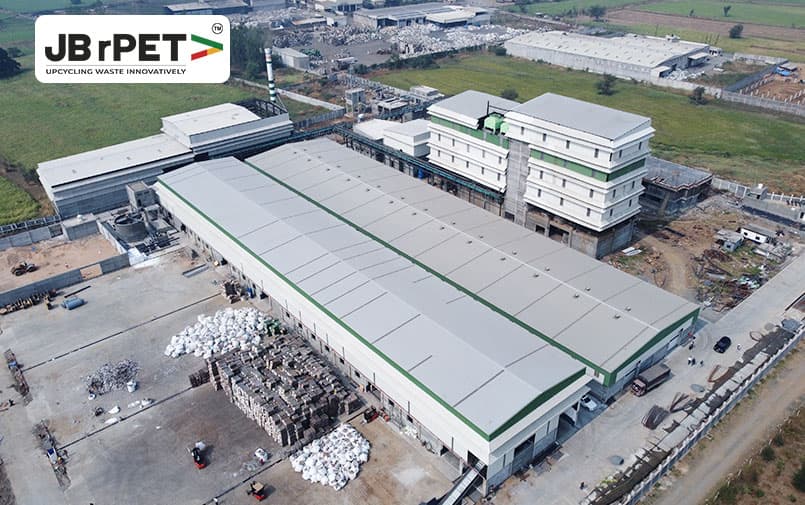
At JBrPET, cPET resins are developed with controlled intrinsic viscosity targets aligned to application requirements such as:
- PET packaging material
- Bottle-grade resin
- PET strap production
- Specialty recycled packaging materials
Through advanced chemical recycling
processes, polymer chains are rebuilt and tailored to deliver defined intrinsic
viscosity of PET polymer ranges. Each production batch undergoes intrinsic
viscosity PET test method verification to ensure consistency and repeatability.
Engineered cPET resins are designed to meet defined
intrinsic viscosity IV ranges for bottle, sheet, and strap applications.
Because intrinsic viscosity IV directly influences processing behavior, melt stability, and mechanical performance, JBrPET prioritizes:
- Tight IV tolerance bands
- Batch-to-batch uniformity
- Application-specific resin grading
In a market where materials made from recycled PET must meet increasingly demanding performance standards, engineered intrinsic viscosity becomes a differentiator.
That is where cPET resins move beyond sustainability and into performance-driven material design.
Intrinsic Viscosity as a Performance Indicator
Intrinsic viscosity is not just a laboratory value.
It is a direct indicator of:
- Molecular strength
- Processing behavior
- Mechanical durability
- Recycling feasibility
For PET packaging material, recycled packaging materials, cPET resins, and chemically recycled PET systems, IV defines usability.
If you are selecting PET resin for bottles, straps, films, or fiber, understanding intrinsic viscosity ensures you are not just buying polymer, but buying performance.
In a world increasingly shaped by the circular economy in packaging, controlling intrinsic viscosity of PET polymer is central to delivering reliable, high-performance materials made from recycled PET. Contact our team to know more.