JB rPET’s Guide to Spotting Misuse of Plastic Credits India
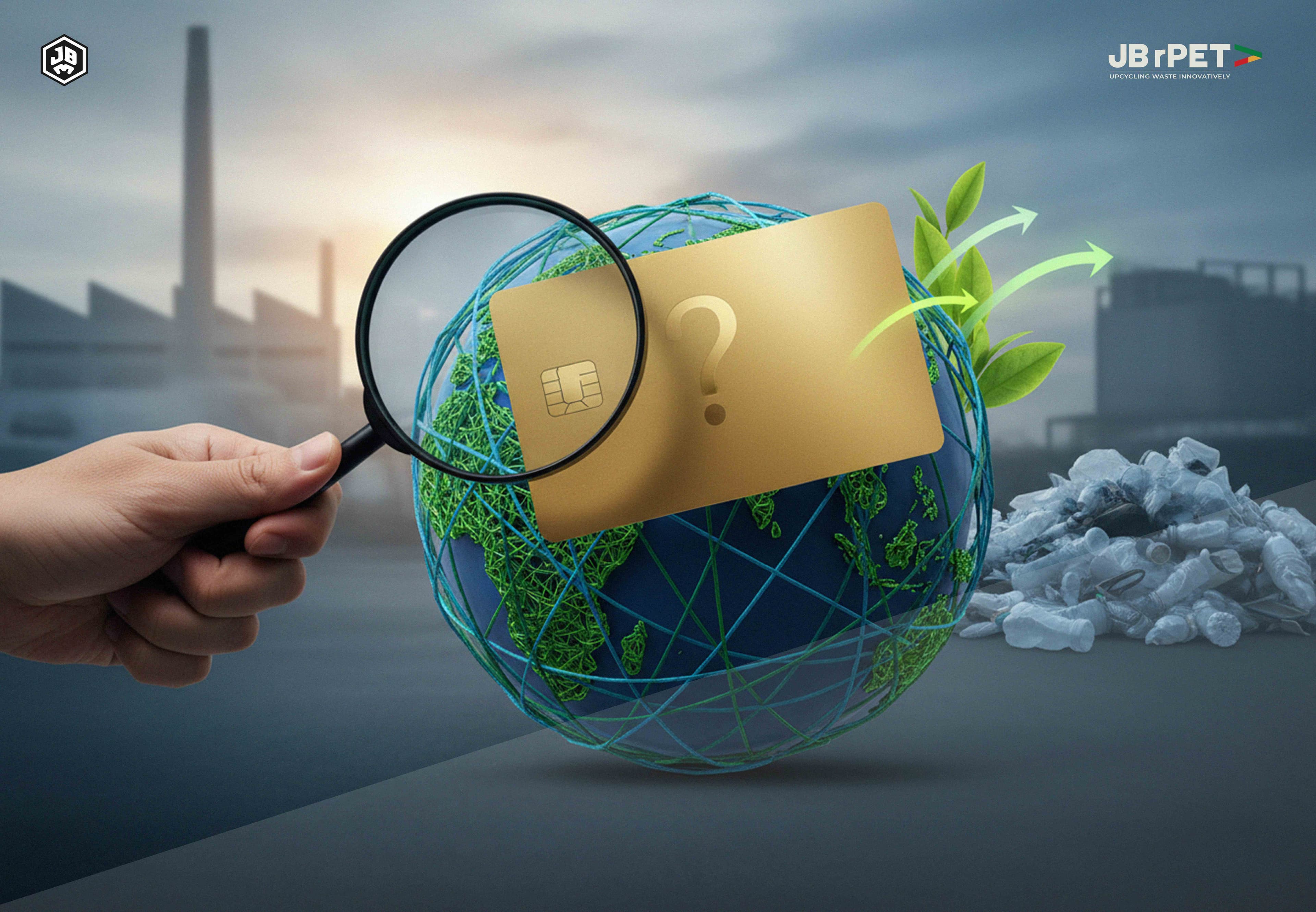
Plastic pollution is one of the planet’s biggest challenges. Enter plastic credits, the shiny new solution that promises to wipe away a brand’s plastic footprint with a simple payment. Sounds magical, right? Well, not always.
The Economic Times states that the plastic credits India market is soaring, predicted to hit a whopping $1.67 billion by 2030, fueled by government mandates and growing corporate ambition. But with great growth comes great responsibility, and occasionally, some clever corner-cutting.
If you’ve ever paused at a “plastic neutral” label and wondered what it actually means, this is for you. Consider this your guide to looking beyond the buzzwords to spot when plastic credits are creating real environmental impact, and when they’re simply a clever marketing story.
Understanding Plastic Credits India
In India, the Plastic Waste Management (Amendment) Rules, 2022 make it mandatory for brands, producers, and importers of plastic packaging to take responsibility for what they put into the market. This means ensuring their plastic is reused, recycled, or made with recycled content.
To meet these rules, plastic recycling companies can also use a system of EPR certificates or credits earned by recyclers who process plastic waste into usable materials like rPET flakes or recycled plastic granules. These credits can be traded and used to show compliance with the chemical recycling of plastics.
However, if you buy plastic credits in India, that alone isn’t enough. The law also sets a separate requirement for brands to actually use recycled plastic in their packaging. In other words, credits can’t replace real material circularity, they only complement it.
When Plastic Credits Turn Into Plastic Pretend
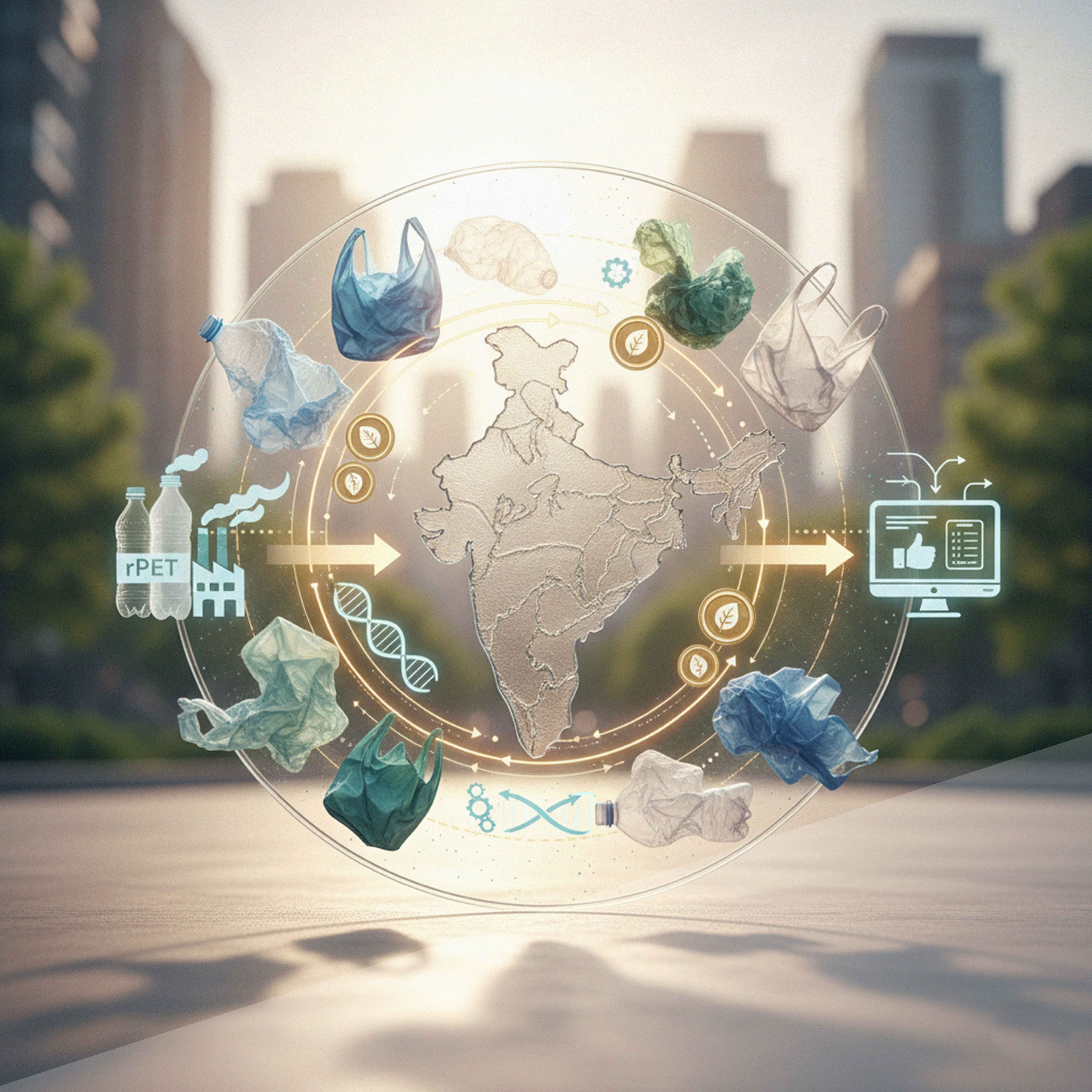
Now, here’s where the plot thickens. Some brands have started “buying green”, literally. Instead of rethinking their packaging or increasing the use of recycled plastic, many brands are taking the easier route, relying on plastic credits to do the talking. This creates several pitfalls:
- Phantom Recycling: Sometimes credits come from sketchy or duplicate recycling operations that haven’t actually processed new plastic waste.
- Incineration Confusion: Counting burned or energy-recovered plastic as “recycled” inflates credit numbers but worsens pollution.
- One-Off Heroics: Brands touting singular cleanup events or token credit buys as sustainability milestones, without lasting systemic changes.
- Reputation Buying: Using credits mainly to polish PR rather than committing to substantial product or supply chain changes.
These issues undermine the environmental goals that plastic credits in India intend to serve, turning what should be climate action into mere compliance box-checking.
JB rPET Redefines Real Impact
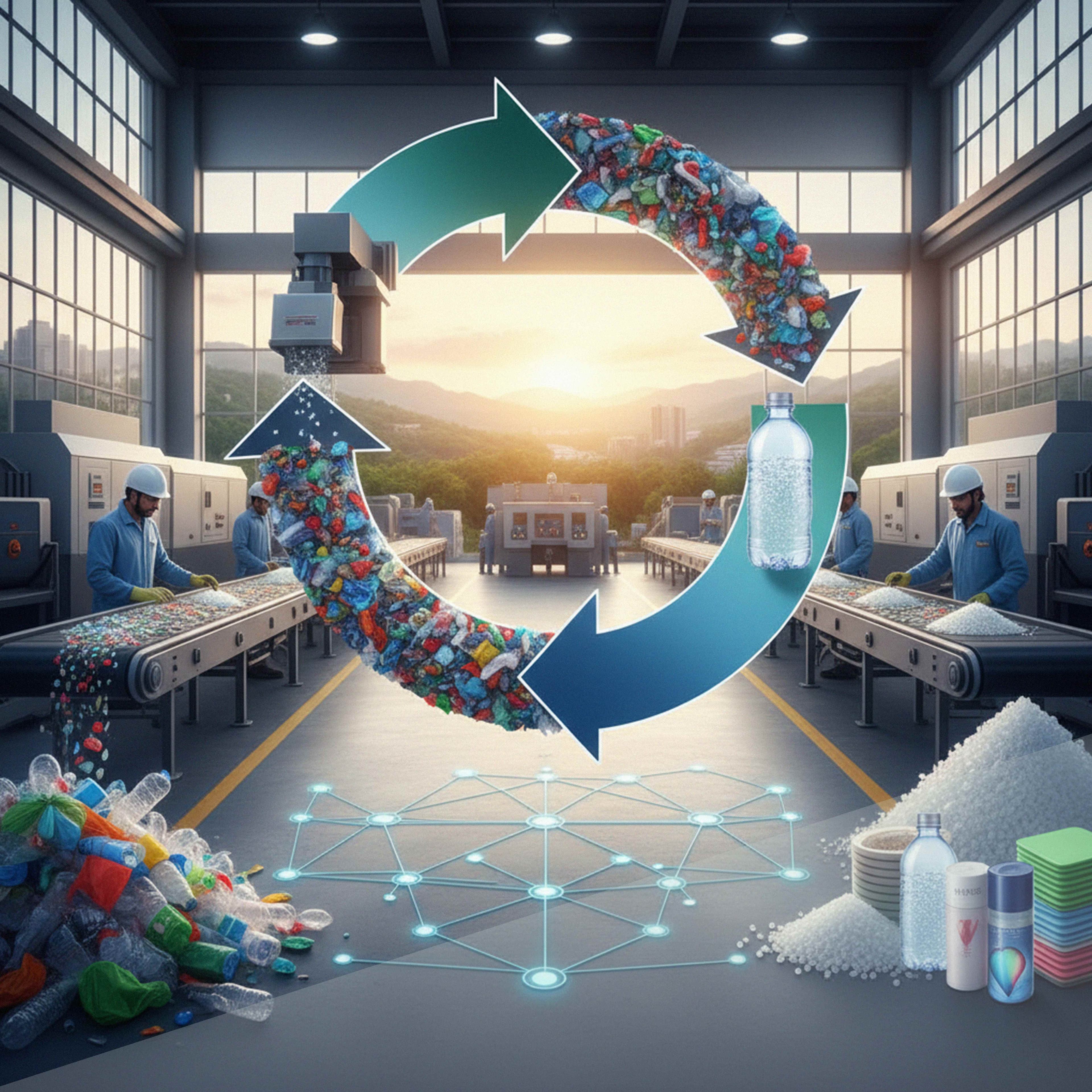
At JB rPET, our in-house depolymerisation and repolymerisation technologies blend responsibility with innovation. Our approach pushes brands to:
- Embed recycledplastic granules and rPET flakes into product lines at scale because actual material replacement moves the needle on plastic use.
- Design products and packaging for recyclability, minimizing waste from day one, and improving recycling rates.
- Support advanced recycling technologies like rPET recycling, which unlocks circular value for hard-to-recycle plastics.
- Build traceable, transparent supply chains to verify impact, foster trust, and avoid “greenwashing.”
How to Spot Misuse of Plastic Credit
- Does the brand talk more about credit volumes than actual recycled plastic in products?
- Are plastic credits linked to verified recycling plants with transparent audits?
- Are toxic or incinerated plastics counted as recycled in credit claims?
- Is the recycling effort one-off or sustained with systemic supply chain redesign?
- Does the brand show commitment to reducing overall plastic footprint beyond plastic credits?
The Plastic Credits India Price Tag and Market Dynamics
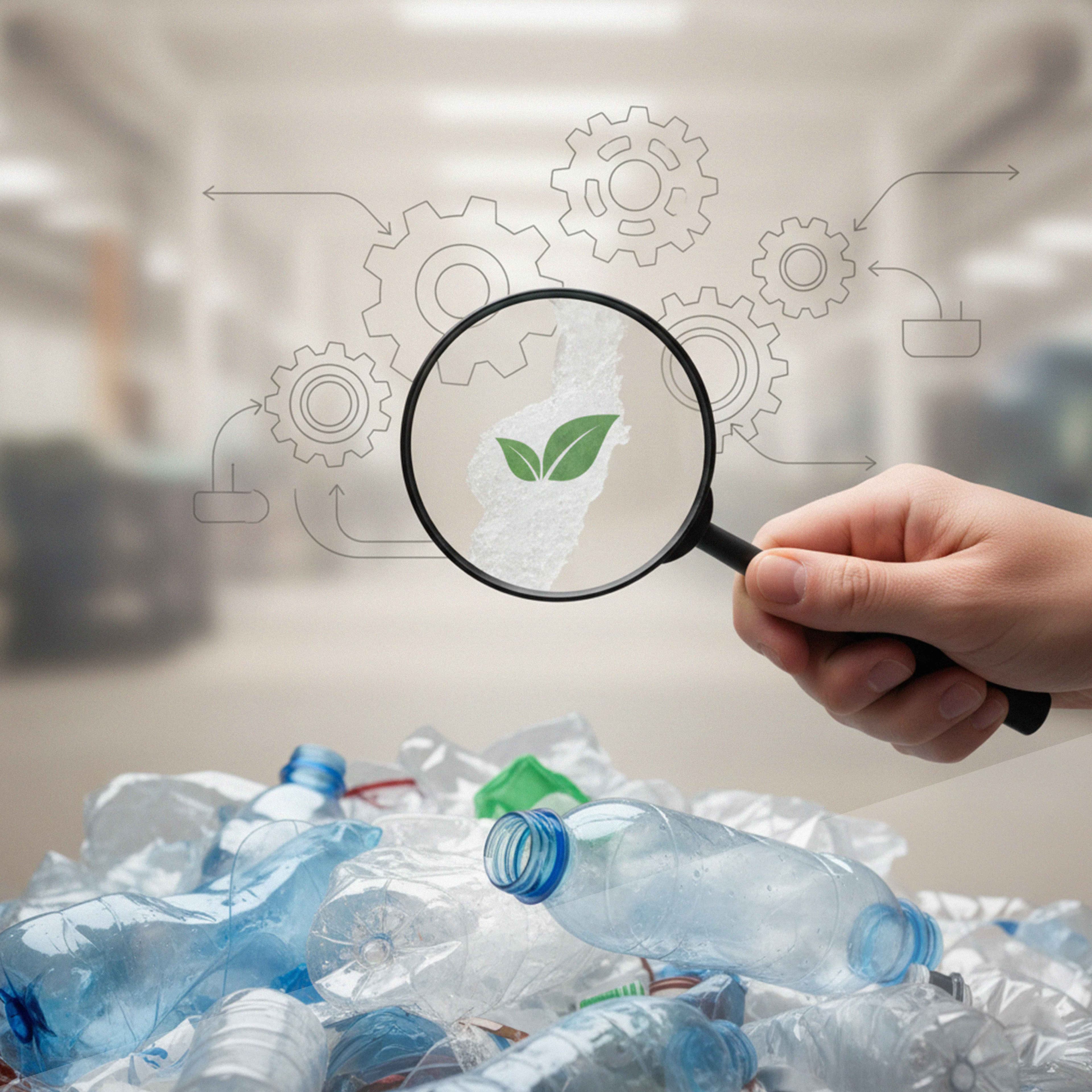
Plastic credit prices in India still move through a fog of uncertainty, driven by supply-demand mismatches, shifting regulations, and inconsistent credit verification standards. While the growing appetite for credits signals progress, the absence of price transparency often sidelines genuine recyclers and traceable recovery systems.
That’s where technical understanding matters. At JB rPET, we’ve seen how undervalued or poorly verified credits can dilute the impact of PET bottle recycling. For a credit to have meaning, it must represent measurable recovery, credible traceability, and material that truly re-enters the value chain, not just removed from sight. Without this integrity, plastic credits in India risk becoming symbolic rather than systemic.
Looking Ahead
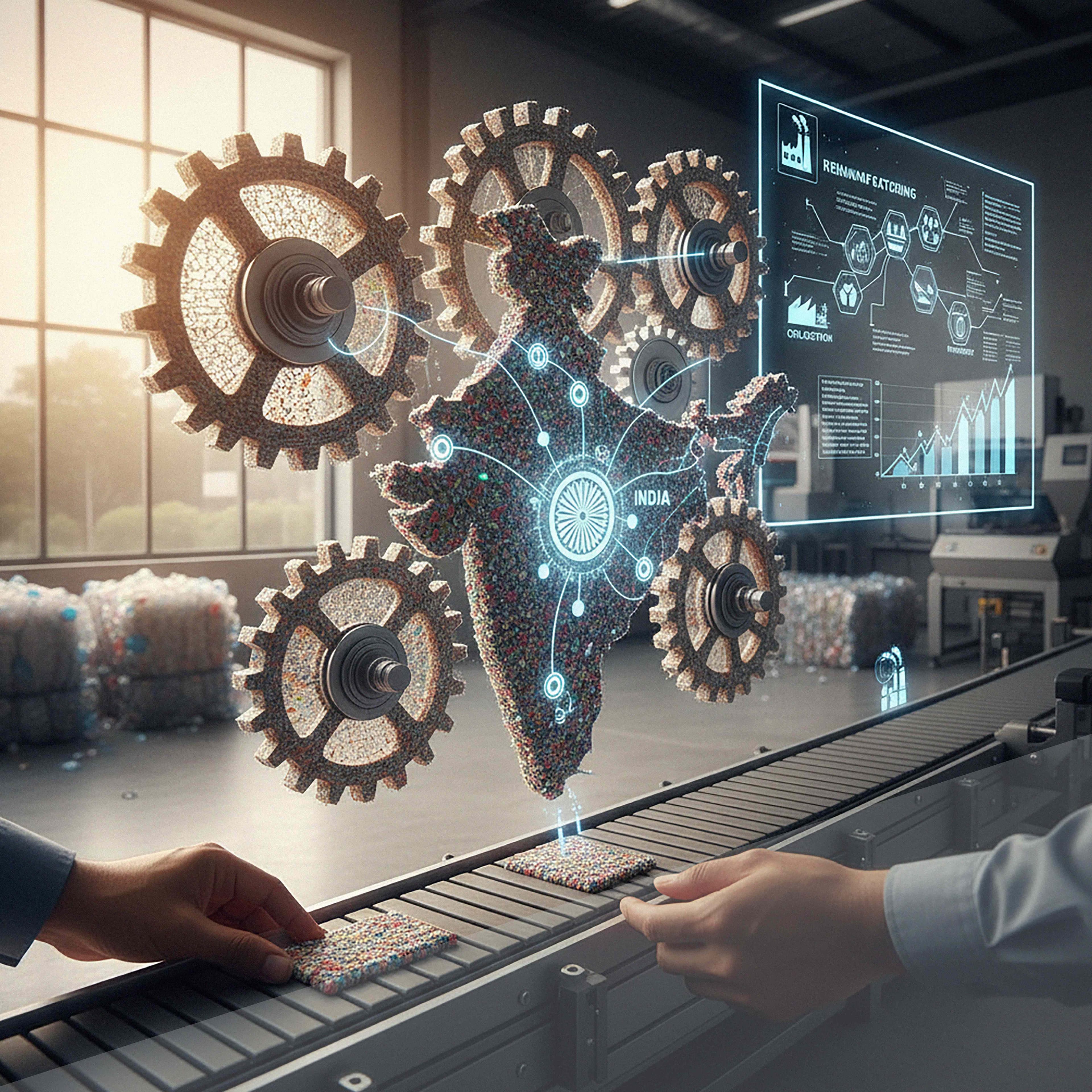
Plastic credits in India are still finding their balance, an ambitious experiment that could transform waste into value, or stall under inconsistent accountability. The solution lies not in the credits themselves, but in the infrastructure and innovation that make them legitimate.
As an rPET manufacturer in India, we know that a sustainable future depends on more than offsetting; it demands redesigning. True circularity comes from improving recyclate quality, scaling traceable supply chains, and building material systems that can endure.
At JBrPET, we’re all about walking the talk, not just ticking sustainability boxes. We’re using tech, transparency, and traceability to turn big sustainability promises into real action. Because you can’t just swipe your way to a greener planet, you have to build it, step by step. The future isn’t about credits anymore. It’s about credibility.