PET Bottle Recycling in India: How Recycling Units Work and Why They Matter Today
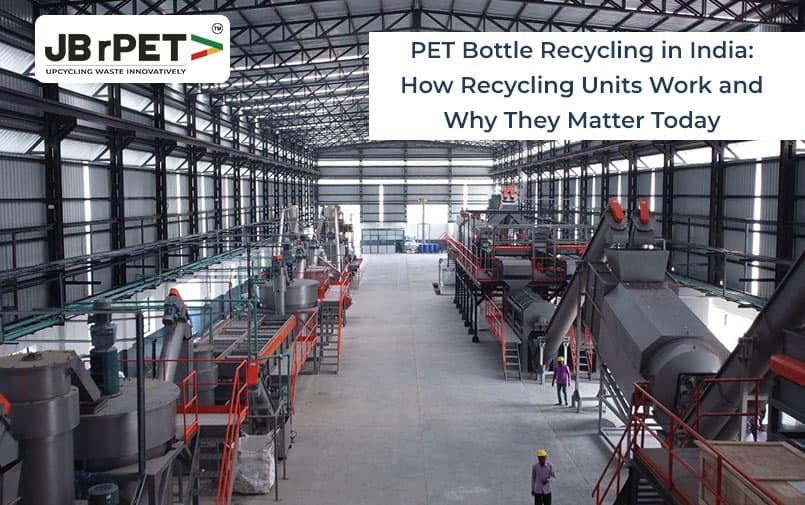
PET bottle recycling in India has moved far beyond being a backend waste activity. It now sits at the centre of plastic waste management, circular economy commitments, and recycled content mandates across packaging and textiles. What was once a fragmented, informal system is steadily evolving into a network of organised PET recycling companies, advanced processing units, and specialised rPET resin manufacturers serving both domestic and global demand.
As consumption of bottled beverages, packaged foods, and polyester textiles continues to rise, PET recycling has become less about disposal and more about resource recovery. Understanding how PET bottle recycling units function, what technologies they use, and why they are critical today helps explain the direction India’s recycling industry is heading.
This blog breaks down how PET recycling works on the ground, the role of recycling centres and manufacturers, the difference between mechanical and chemical recycling of PET, and why these systems are essential for India’s sustainability goals.
The Growing Need for PET Bottle Recycling in India
India generates millions of tonnes of plastic waste every year, with PET bottles forming one of the most recoverable fractions. PET is used extensively for drinking water bottles, soft drinks, edible oil containers, and personal care packaging. Its recyclability makes it a valuable material rather than a disposable one.
PET bottle recycling in India is driven by three major factors today:
1. Rising plastic consumption
Urbanisation, e-commerce, and convenience
packaging have increased PET usage across sectors.
2. Regulatory
pressure
Plastic waste management rules, extended producer
responsibility obligations, and recycled content targets are pushing
brands to source recycled PET.
3. Demand for recycled polyester and packaging materials
rPET plastic recycling supports textile fibre
production, packaging sheets, strapping, and bottles.
Without strong PET recycling infrastructure, these demands cannot be met sustainably.
What PET Bottle Recycling Units Actually Do
A PET recycling unit is not a single machine or step. It is a structured system designed to collect, sort, clean, process, and convert used PET bottles into reusable raw material.
Most PET recycling companies in India operate through the following stages.
Collection and Aggregation
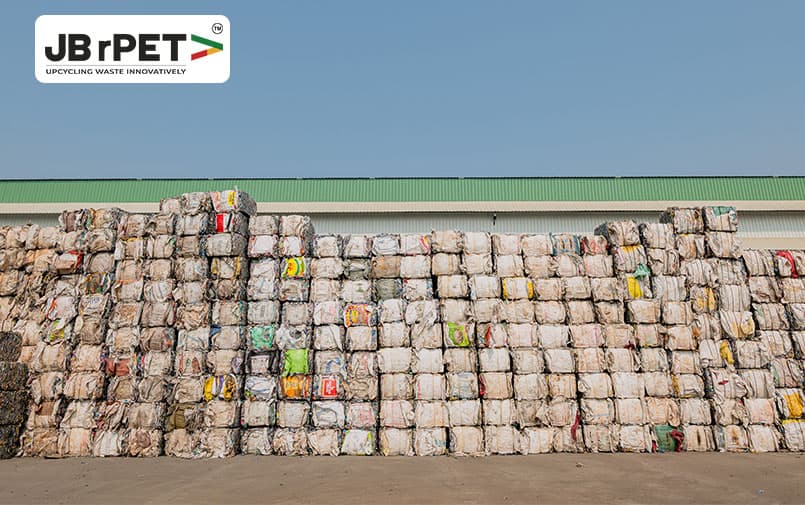
PET bottles are collected from multiple sources including households, commercial spaces, waste pickers, scrap dealers, and municipal systems. Many people searching for plastic recycling near me or recycling center are interacting with the earliest stage of this ecosystem.
Collection networks are critical because PET recycling depends on clean, segregated input. Contamination at this stage directly affects output quality.
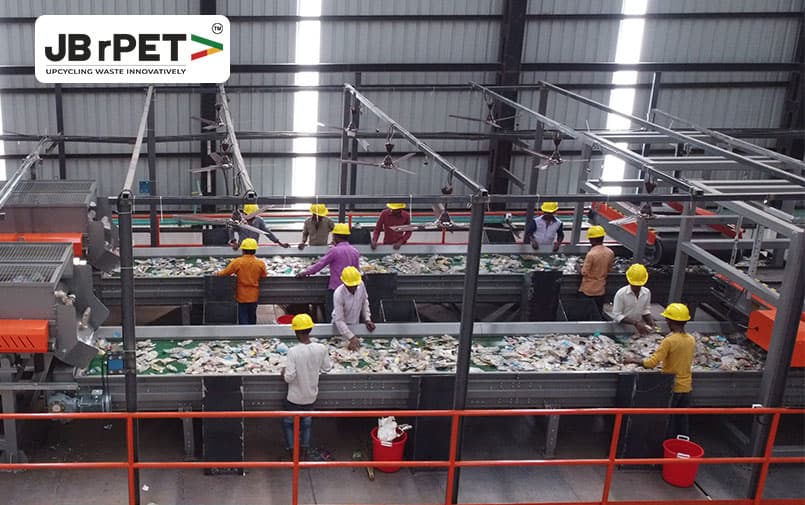
Sorting and Pre-Processing
Once bottles reach a recycling centre, they are sorted based on:
- Material type
- Colour
- Level of contamination
Advanced PET bottle recycling equipment such as optical sorters, air classifiers, and manual inspection lines help remove PVC, metals, labels, and non-PET plastics.
Sorting accuracy determines whether the recycled output can be used for high-value applications like food-grade packaging or textile fibres.
Washing and Size Reduction
Sorted PET bottles are shredded into flakes and passed through washing systems. This stage removes:
- Residual liquids
- Labels and adhesives
- Oils, dirt, and organic contaminants
Hot washing and friction washing are commonly used in rPET plastic recycling to meet quality standards required by PET resin manufacturers and downstream processors.
Processing Into Recycled Material
At this point, the recycling route determines the final output.
- Mechanical recycling converts PET flakes into recycled PET flakes or pellets
- Chemical recycling of PET breaks down the polymer into its chemical building blocks
Both routes play distinct roles in India’s recycling ecosystem.
Mechanical Recycling of PET and Its Role
Mechanical recycling of PET is the most established method in India. It involves melting and reprocessing cleaned PET flakes into new products.
Mechanically recycled PET is widely used for:
- Polyester fibre for textiles
- Non-food packaging
- Strapping and industrial sheets
This route is energy-efficient and cost-effective when input quality is high. However, mechanical recycling has limitations when dealing with coloured, multilayer, or heavily contaminated PET waste.
That is where chemical recycling of PET becomes relevant.
Chemical Recycling of PET Explained Simply
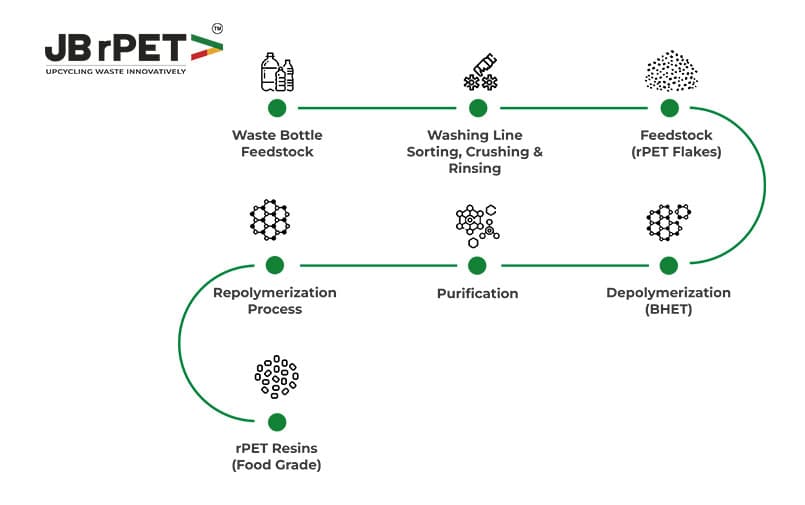
Chemical recycling of PET involves depolymerising PET waste back into its basic chemical components. These components are then purified and repolymerised to produce high-quality PET resin.
Unlike mechanical recycling, chemical recycling of PET can handle:
- Mixed or coloured PET
- Textile waste
- Lower-grade PET inputs
This makes it an important complement to traditional recycling methods, especially as recycled content targets become stricter.
Many modern PET recycling companies now see chemical recycling as a way to close material loops more completely rather than replace mechanical recycling entirely.
Manufacture of r-PET and Why It Matters
The manufacture of r-PET refers to converting recycled PET into usable resin or flakes that can replace virgin plastic.
rPET resin is used by:
- Packaging manufacturers
- Textile fibre producers
- PET resin manufacturers blending recycled content
- Consumer brands meeting sustainability commitments
In India, rPET plastic recycling supports both export-oriented textile markets and domestic packaging needs. Quality consistency is critical here, which is why advanced processing, testing, and traceability are becoming standard.
PET Recycling Companies and the Indian Ecosystem
PET recycling companies in India operate at different scales and specialisations.
Some focus on:
- Collection and flake production
- Polyester recycling companies supplying fibre markets
- PET resin manufacturers integrating recycled content
- Chemical recycling units producing high-purity outputs
Together, these players form a layered ecosystem that supports plastic waste management across the country.
As brands search for reliable recycling partners, transparency, certifications, and process capability matter more than ever.
PET Bottle Recycling Equipment and Technology
Modern PET bottle recycling equipment has evolved significantly. Today’s plants use:
- Automated sorting systems
- Closed-loop washing systems
- Advanced extrusion and filtration
- Quality control labs for IV, colour, and contamination testing
Technology determines not only efficiency but also whether recycled output can meet food contact, textile, or export standards.
Investment in better equipment directly improves the credibility of PET recycling in India on a global stage.
Why PET Recycling Is Critical for Plastic Waste Management
Plastic waste management cannot rely solely on landfilling or energy recovery. PET recycling offers one of the clearest pathways to circular material use.
Effective PET recycling:
- Reduces landfill burden
- Lowers demand for virgin PET
- Cuts carbon emissions associated with plastic production
- Creates organised employment across the value chain
This is why PET recycling is often highlighted in sustainability roadmaps and government policy discussions.
Polyester Recycling Companies and the Textile Link
India is a major textile producer, and polyester recycling companies depend heavily on recycled PET. Bottles-to-fibre recycling converts PET waste into polyester staple fibre and filament yarn.
This link between PET recycling and textiles strengthens circularity across industries. It also explains why recycling polyester textile waste through chemical recycling is gaining attention.
How PET Recycling Supports Circular Economy Goals
Circular economy principles focus on keeping materials in use for as long as possible. PET recycling aligns closely with this goal.
Through repeated recycling cycles, PET bottles can become fibres, packaging, or new bottles. Each cycle reduces resource extraction and waste generation.
Both mechanical recycling of PET and chemical recycling of PET contribute to this loop in different ways including in the case of textile waste recycling.
The Importance of Recycling Centres and Local Access
Local recycling centres act as collection and processing hubs. For individuals and businesses searching for plastic recycling near me, these centres enable participation in the recycling chain. Decentralised collection combined with centralised processing improves efficiency and traceability across PET recycling systems.
PET Resin Manufacturers and Recycled Content Integration
PET resin manufacturers increasingly blend recycled PET into their production. This integration supports compliance with recycled content mandates and brand sustainability goals.
Reliable supply of rPET depends on consistent recycling processes, quality assurance, and long-term partnerships with PET recycling companies.
Where JBrPET Fits In
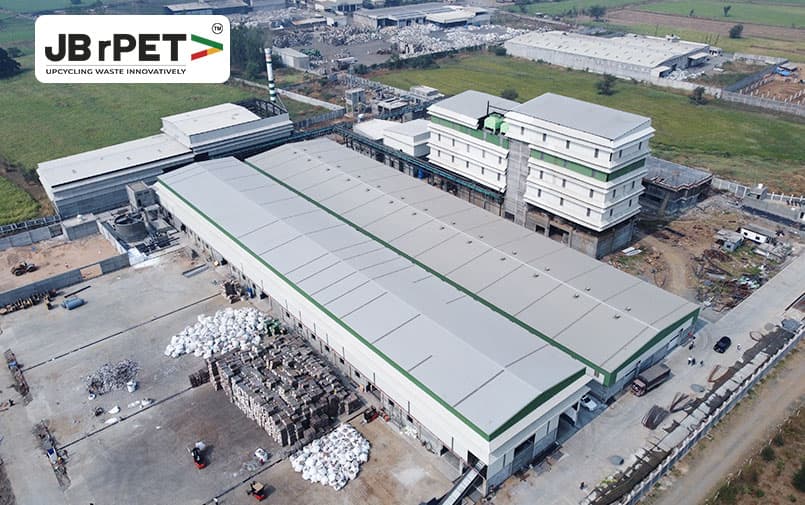
Within this evolving landscape, JBrPET operates in the chemical recycling segment of PET bottle recycling in India. By focusing on advanced chemical recycling of PET, JBrPET addresses material streams that are difficult to recycle mechanically, including complex and lower-grade PET waste.
This approach complements existing mechanical recycling systems and supports the manufacture of high-quality recycled PET outputs suitable for demanding applications.
By working alongside the broader PET recycling ecosystem, such facilities help strengthen circularity rather than compete with traditional recycling routes.
Challenges Still Facing PET Recycling in India
Despite progress, PET recycling in India faces ongoing challenges:
- Inconsistent waste segregation
- Regional collection gaps
- Input contamination
- High capital costs for advanced recycling technology
Addressing these issues requires coordination between policy, industry, and consumers.
Building a Sustainable PET Recycling Ecosystem in India
PET bottle recycling in India is no longer optional. It is a structural necessity tied to plastic waste management, industrial supply chains, and environmental responsibility.
As regulations tighten and demand for recycled materials grows, recycling units will continue to evolve. The future lies in combining strong collection systems, efficient mechanical recycling of PET, and scalable chemical recycling of PET to handle diverse waste streams.
When these systems work together, PET recycling becomes not just waste management, but a sustainable material strategy for India’s economy.
PET Recycling Explained: FAQs
What is PET bottle recycling in India?
PET bottle recycling in India refers to the process of collecting, sorting, cleaning, and reprocessing used PET bottles into reusable raw materials such as rPET flakes or resin. These recycled materials are then used in packaging, textiles, and other industrial applications, reducing plastic waste and dependence on virgin PET.
How does PET recycling work step by step?
PET recycling typically involves collection from waste streams, sorting at a recycling center, washing and shredding bottles into flakes, and then processing them through mechanical or chemical recycling. The final output is recycled PET that can be used by PET resin manufacturers, polyester recycling companies, or packaging producers.
What is the difference between mechanical recycling of PET and chemical recycling of PET?
Mechanical recycling of PET involves physically melting and reprocessing PET flakes, while chemical recycling of PET breaks the plastic down into its chemical components and rebuilds it into new PET resin. Mechanical recycling works best for clean, sorted PET waste, whereas chemical recycling can handle mixed, coloured, or lower-grade PET.
Why is PET recycling important for plastic waste management?
PET recycling plays a major role in plastic waste management because PET is widely used and highly recyclable. Recycling PET bottles helps reduce landfill waste, lowers carbon emissions, and supports circular material use across packaging and textile industries.
What products are made from recycled PET?
Recycled PET is used to make polyester fibres, PET sheets, packaging materials, strapping, and in some cases new bottles. Many polyester recycling companies depend on rPET as a raw material for textile production, while PET resin manufacturers use it to meet recycled content requirements.
Who uses rPET produced from PET bottle recycling?
rPET produced through PET bottle recycling is used by textile manufacturers, packaging companies, FMCG brands, and industrial product manufacturers. It is especially important for brands aiming to meet sustainability targets and regulatory requirements related to recycled content.
What is the manufacture of r-PET?
The manufacture of r-PET involves converting recycled PET flakes or depolymerised outputs into usable resin or pellets. This material can then replace virgin PET in manufacturing processes, supporting circular economy goals and reducing environmental impact.
Are PET recycling companies regulated in India?
Yes, PET recycling companies operate under plastic waste management rules and extended producer responsibility frameworks. These regulations guide how plastic waste is collected, processed, and reused, ensuring traceability and environmental compliance.
How can individuals contribute to PET recycling?
Individuals can contribute by segregating PET bottles at source, keeping them clean and dry, and depositing them at a nearby recycling center. Searching for plastic recycling near me often helps locate authorised collection points that feed into formal PET recycling systems.
Can chemical recycling of PET replace mechanical recycling?
Chemical recycling of PET is not meant to replace mechanical recycling entirely. Instead, it complements it by handling waste streams that mechanical recycling cannot efficiently process. Together, both methods strengthen PET recycling capacity in India.
What role do recycling centres play in PET recycling?
Recycling centres act as aggregation and processing hubs where PET bottles are sorted, cleaned, and prepared for recycling. They are a crucial link between waste collection systems and PET recycling companies.
Why is PET recycling growing in India?
PET recycling is growing in India due to rising plastic consumption, stricter waste management regulations, increasing demand for recycled materials, and greater awareness of sustainability. This growth has led to better infrastructure, advanced PET bottle recycling equipment, and more organised recycling networks.