Clothes Recycling: How It Works, What Happens to Unwearable Clothing, and Why It Matters More Than Ever
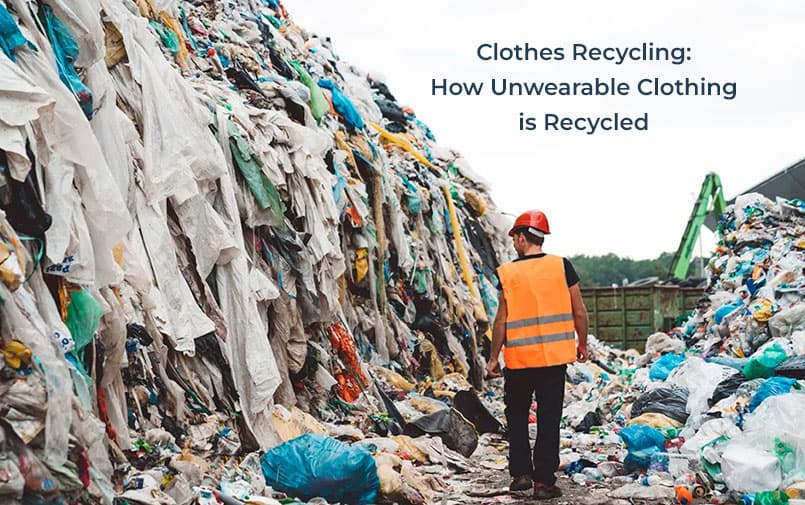
Clothes have always carried stories.
A cotton kurta worn through three
summers.
A denim jacket passed down from an older sibling.
A factory-made T-shirt bought on impulse, worn twice, then forgotten.
Across homes, cities, and countries, clothing quietly accumulates. When wardrobes overflow, the first instinct is often to donate. The second is to discard. Very few people stop to ask what actually happens next.
Clothes recycling sits at the intersection of culture, consumption, chemistry, and responsibility. It is no longer a fringe environmental concept. It is a system struggling to keep up with how quickly clothing is produced, consumed, and discarded.Clothes recycling sits at the intersection of culture, consumption, chemistry, and responsibility. It is no longer a fringe environmental concept. It is a system struggling to keep up with how quickly clothing is produced, consumed, and discarded.
This article looks closely at how clothes recycling works, what happens to unwearable garments, why donation is not always the answer, and why chemical recycling is becoming unavoidable in textile waste management.
How Clothes Recycling Works at Scale
Clothes recycling does not happen at the level of a single garment. It works at scale, across systems designed to handle volume, variety, and material complexity.
In large recycling ecosystems, clothes recycling begins with aggregation. Clothing collected from households, institutions, and commercial sources is consolidated before any processing begins. At this stage, garments are not judged by brand or style, but by fiber composition, contamination, and physical condition.
The next stage is classification. Wearable items are separated from damaged or end-of-life clothing. What cannot be reused moves into waste clothes recycling, where the objective shifts from reuse to material recovery. This distinction is critical for stakeholders because reuse and recycling serve different outcomes and require different infrastructure.
At scale, clothes recycling by polyester textile recycler relies on a mix of manual sorting, optical detection, and material testing. These systems are designed to identify mono-material textiles, blended fabrics, and synthetic garments that require advanced processing. Without this separation, downstream recycling loses efficiency and traceability.
For stakeholders across the textile and recycling value chain, this stage defines the quality and viability of every recycled output that follows.
The Scale of Clothing Waste Nobody Sees
Modern clothing production has changed faster than our waste systems.
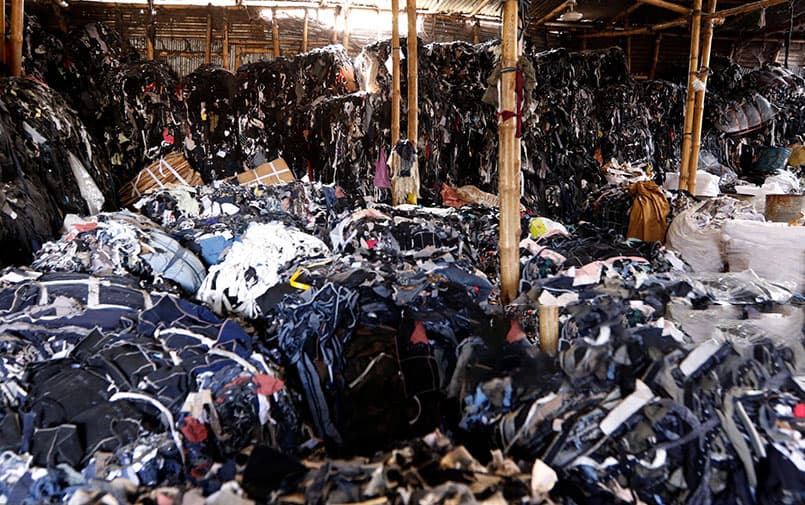
Globally, millions of tonnes of clothing waste are generated every year. A large share comes not from old heirloom garments, but from fast-moving, low-durability clothes designed for short use cycles. Synthetic fibers like polyester dominate, blended fabrics are everywhere, and garments are often chemically treated for color, stretch, or performance.
Once clothes reach the end of their wearable life, they rarely disappear.
They move.
They move from wardrobes to donation
bags.
From donation bags to sorting centers.
From sorting centers to recyclers, exporters, landfills, or incinerators.
Understanding textile clothing recycling begins with understanding this journey.
What Happens to Unwearable Clothes
Not all clothes are created equal at the end of life.
When garments enter a recycling or sorting system, they are typically classified into three broad categories:
Wearable Clothing
These are garments in good condition. They can be reused locally or exported for resale. This is the smallest and shrinking category.
Repairable or Downcyclable Clothing
Clothes that are torn, faded, or outdated but still made of usable fibers. These may be mechanically processed into wiping cloths, insulation, or stuffing.
Unwearable Clothing
This is the fastest-growing category. Heavily blended fabrics, chemically treated textiles, contaminated garments, and synthetic fiber clothing that cannot be mechanically recycled.
It is this third category that drives the need for recycling unusable clothing at scale.
Unwearable clothes cannot simply be donated. They cannot be repaired. Without proper recycling pathways, they end up buried or burned.
Why Clothes Recycling Cannot Rely on Mechanical Methods Alone
Mechanical recycling has long been associated with cloth recycling and garment recycling, but its limitations become evident when dealing with modern clothing waste.
Most contemporary garments are blends. Polyester mixed with cotton, elastane, or viscose. Fabrics dyed, coated, laminated, or chemically treated for performance. These characteristics make recycling unusable clothing through mechanical methods increasingly difficult.
Mechanical processes depend on clean, uniform fibers. When garments are shredded, fiber length reduces, quality degrades, and the number of viable recycling cycles becomes limited. This is why a large share of recycling old textiles historically resulted in downcycled products rather than true material recovery.
For stakeholders, this matters because mechanical recycling alone cannot absorb the growing volume of synthetic and blended textile waste entering the system. Without complementary technologies, significant portions of clothing waste remain unrecyclable.
This gap is where chemical recycling becomes essential, not as a replacement, but as an extension of what clothes recycling can realistically achieve at scale.
Donation vs Recycling: A Hard Truth
Donation feels good. Recycling feels complex.
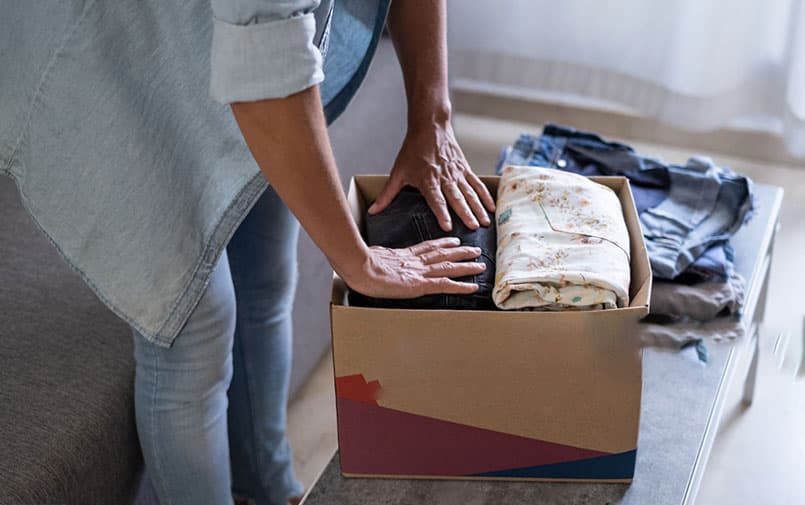
For decades, donation has been promoted as the responsible choice. While donation plays an important role, it is often misunderstood.
When Donation Works
Donation works when clothing is genuinely wearable, culturally appropriate for the destination market, and not over-supplied.
When Donation Fails
A significant portion of donated clothes never reach a second wearer. Overloaded sorting facilities, lack of demand, and poor garment quality mean many donated clothes are ultimately discarded anyway.
This is where waste clothes recycling becomes essential.
Recycling is not a fallback. It is a parallel system designed for clothing that no longer has a second life as clothing.
How Clothes Recycling Actually Works
The idea of clothes recycling often sounds simple. The reality is layered.
Step 1: Collection
Clothes are collected through drop-off points, municipal drives, brand take-back programs, or commercial collectors. People searching for a place to recycle clothes often encounter a mix of donation bins and recycling-specific collection points.
Step 2: Sorting
Garments are sorted manually and mechanically based on fiber type, condition, and contamination. This is one of the most labor-intensive stages.
Step 3: Mechanical Processing
Pure cotton or wool garments may be shredded and reprocessed into fibers.
This process shortens fibers and limits how many times they can be reused. This is where cloth recycling and garment recycling have traditionally stopped.
Step 4: Chemical Recycling
Chemical recycling breaks fibers down at a molecular level. For polyester-based textiles, this allows polymers to be recovered and rebuilt into new materials.
This step is critical for recycling old textiles that mechanical systems cannot handle.
Is There a Place to Recycle Clothes Near Me
The question of access comes up repeatedly. Consumers searching for a place to recycle clothes often encounter donation bins, resale drop-offs, or informal collection points. While these serve reuse, they do not always support recycling.
For those asking where to recycle worn clothes, the answer depends on garment condition and local infrastructure. Wearable items are best directed toward reuse channels. End-of-life garments require dedicated textile recycling systems capable of handling waste clothes recycling responsibly.
Searches like recycle old clothes near me and old clothes recycling near me reflect a growing awareness that disposal is not the only option. However, not every collection point is equipped to process textiles beyond donation.
From a systems perspective, clarity matters. Clear labeling, verified recycling pathways, and transparent communication help ensure that clothes placed for recycling actually enter textile recycling streams rather than being diverted to landfills.
Why Chemical Recycling Matters More Than Ever
Mechanical recycling alone cannot solve the clothing waste problem.
Most modern garments are blends. Polyester-cotton. Elastane-polyester. Dyed, treated, laminated. These fabrics resist traditional recycling.
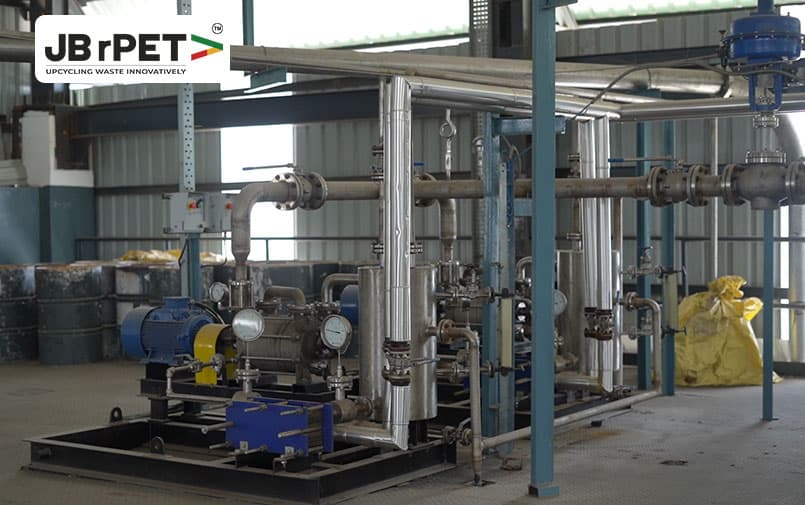
Chemical recycling addresses this limitation by separating and purifying materials at a chemical level.
For polyester textiles, this process enables the creation of high-quality recycled polymers suitable for new applications.
This is where bottle-to-textile and textile-to-textile resins enter the picture.
The Role of JBrPET in Advanced Textile Recycling
Chemical recycling is only effective when it is designed around real-world waste streams. This is where specialized operators play a critical role.
JBrPET focuses on chemical recycling of PET-based waste to support circular material flows across textiles and non-foodgrade packaging applications. Its operations are built to handle complex inputs that fall outside the scope of conventional mechanical recycling, including end-of-life polyester textiles and post-consumer PET bottles.
In the textile to textile pathway, JBrPET processes polyester textile waste through chemical recycling to recover polymer feedstock suitable for reintroduction into textile manufacturing. This enables worn or unwearable polyester garments to be converted back into raw material for new textile applications, supporting circularity within the apparel value chain.
Separately, JBrPET operates bottle to textile recycling pathways, where post-consumer PET bottles are chemically recycled and converted into resins used for textile fiber production. This route allows discarded bottles to support textile manufacturing without reliance on virgin fossil-based inputs.
In bottle to bottle recycling, JBrPET’s scope is limited strictly to non-foodgrade applications. Recycled materials from this pathway are intended for industrial, technical, or non-food packaging uses only. No food-contact applications are claimed or implied.
For stakeholders, this clarity matters. JBrPET’s approach maintains clear separation between feedstocks, recycling pathways, and end uses. This separation supports traceability, regulatory alignment, and responsible circular economy reporting without overstating environmental claims.
From Bottles and Textiles Back Into the System
Recycling does not exist in isolation. Material loops intersect.
Bottle to Textile Resins
Post-consumer PET bottles are chemically recycled and converted into polyester resins that can be spun into textile fibers. This pathway supports textile production without relying on virgin fossil resources.
Textile to Textile Resins
End-of-life polyester textiles are chemically recycled back into raw polymer feedstock. These resins can be reintroduced into textile manufacturing, closing the loop.
Bottle to Bottle Applications
In bottle-to-bottle recycling, applications are strictly limited to non-foodgrade uses in this context. These materials are used in industrial, technical, or non-food packaging applications.
This distinction matters for compliance, safety, and transparency.
The Consumer Perspective: “Recycle Old Clothes Near Me”
Search behavior tells a story.
Queries like recycle worn clothes, recycle old clothes near me, old clothes recycling near me, and recycle old clothes India reflect growing awareness and confusion at the same time.
Consumers want to act responsibly. They often do not know where to go or what happens after they hand clothes over.
Clear labeling, verified recycling channels, and honest communication are essential to avoid greenwashing and misplaced trust.
Clothing Waste Is Not Just a Consumer Issue
While consumers play a role, clothing waste is largely a systemic issue.
Design decisions, fiber choices, dye chemistry, and garment construction determine recyclability long before a consumer wears the item.
Brands, manufacturers, and recyclers share responsibility for building systems where textile clothing recycling is possible at scale.
Recycling Unusable Clothing Without Illusions
One uncomfortable truth must be stated plainly.
Not all clothing can be recycled today. Some garments are too complex.
Some are too contaminated. Some systems are still developing. Acknowledging this reality is better than pretending every garment dropped into a bin becomes a new shirt.
Chemical recycling expands what is possible, but it is not magic. It requires infrastructure, energy, traceability, and regulation.
How Old Clothes Recycling Works in India
In India, old clothes recycling operates across both organized and informal systems. Historically, textile waste moved through informal networks that prioritized reuse, repair, and repurposing. While these systems are resource-efficient, they are limited in their ability to handle synthetic and blended textiles at scale.
As demand to recycle old clothes India increases, organized recycling infrastructure is expanding. This includes centralized sorting facilities, fiber-specific processing units, and advanced recycling plants designed to manage complex textile waste streams.
For stakeholders, India’s role is significant. The country sits at the intersection of textile production, consumption, and recycling. Scaling reliable textile clothing recycling systems here has global implications for circularity, compliance, and material security.
The transition from informal reuse to structured recycling does not replace existing systems. It complements them, enabling recovery pathways for textiles that can no longer be worn, repaired, or repurposed.
India’s Growing Role in Textile Recycling
India sits at a unique crossroads.
It is one of the world’s largest textile producers and consumers. At the same time, it is emerging as a major hub for advanced recycling technologies.
The rise of organized recycle old clothes India initiatives reflects both necessity and opportunity. With proper policy alignment, India can lead in circular textile systems rather than inherit global waste.
What the Future of Clothes Recycling Looks Like
The future is quieter than hype suggests.
It looks like sorting lines that separate
fibers more accurately.
It looks like chemical plants designed for textile waste, not just bottles.
It looks like clearer labeling so consumers know where their clothes go.
It looks like collaboration across industries, not isolated efforts.
Clothes recycling will not be solved by one technology or one habit. It will be solved by systems that respect material limits and human behavior.
Where Recycled PET Materials Are Used
Recycling outcomes matter as much as recycling processes. What a material becomes depends first on where it comes from.
Recovered materials are not interchangeable across recycling pathways. Their end use is defined by feedstock origin, material history, processing method, and regulatory constraints.
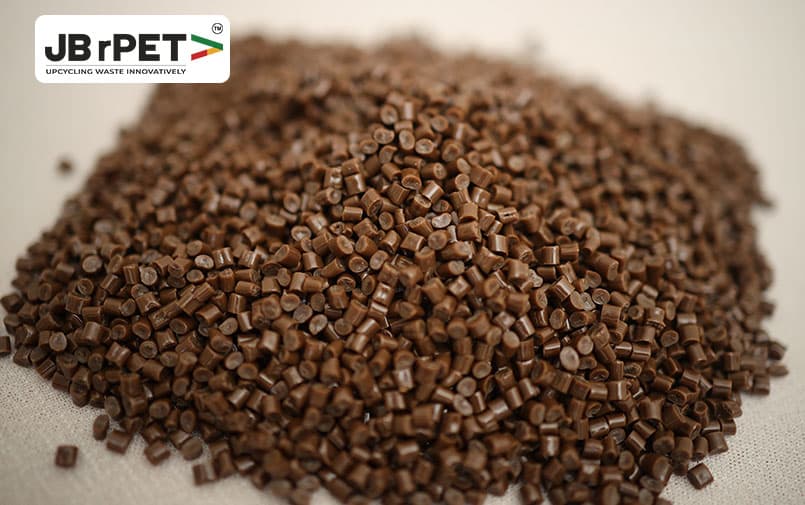
Textile to textile recycling applies specifically to end-of-life polyester garments and textile waste. Through chemical recycling, these textiles are broken down into their core polymer building blocks and converted into textile to textile resins. These resins are used to manufacture new polyester fibers, enabling textiles to be recycled back into textiles and closing the loop within the apparel value chain.
Bottle to textile recycling follows a different pathway. Here, post-consumer PET bottles are chemically recycled and converted into polyester resins that are then spun into textile fibers. This route allows discarded bottles to support textile production without reliance on virgin fossil resources, but it does not originate from clothing waste.
Bottle to bottle recycling is a separate loop altogether. In this context, recycled PET from bottles is used to manufacture new bottles for non-foodgrade applications only, such as industrial, technical, or non-food packaging. No food-contact applications are implied.
For stakeholders, this distinction is essential. Clear separation of feedstocks, pathways, and end uses ensures regulatory alignment, prevents over-claims, and supports long-term credibility in circular material systems.
For stakeholders, this distinction is essential. Clear separation of feedstocks, pathways, and end uses ensures regulatory alignment, prevents over-claims, and supports long-term credibility in circular material systems.
Clothes Recycling in a World That Produces Too Much
Every garment has an afterlife.
Some are worn again. Some are reborn as materials. Some are lost to systems that were never designed for them.
Understanding how clothes recycling works does not demand perfection. It demands awareness, honesty, and better choices at every stage.
Recycling is not about erasing impact. It is about refusing to look away.
FAQs on Clothes Recycling and Advanced Textile Recycling
What is clothes recycling and how is it different from donating clothes?
Clothes recycling refers to processing clothing at the end of its usable life to recover materials, rather than passing garments on for reuse. Donation focuses on reuse, while clothes recycling focuses on material recovery, especially for garments that are torn, contaminated, blended, or no longer wearable.
What happens to unwearable clothes that cannot be donated?
Unwearable clothes are sorted based on fiber type and condition. Some may be mechanically processed into lower-grade materials, while others enter recycling unusable clothing pathways such as chemical recycling. Without these systems, unwearable garments often end up as landfill or incineration waste.
Why can’t all clothes be recycled mechanically?
Mechanical recycling works best with clean, single-fiber textiles. Modern garments often contain blends, dyes, and chemical finishes that limit mechanical recovery. This is why textile clothing recycling increasingly relies on chemical recycling to process complex polyester-based textiles.
Is there a place to recycle clothes near me?
A place to recycle clothes may include municipal collection points, textile recyclers, or brand take-back programs. However, not all locations handle end-of-life garments. Those searching to recycle old clothes near me should verify whether the collection point supports recycling, not only donation.
How does textile to textile recycling work?
Textile to textile recycling uses chemical processes to break down end-of-life polyester garments into their core polymer components. These are then converted into textile to textile resins, which can be used to manufacture new polyester fibers for textile applications.
How is bottle to textile recycling different from textile to textile recycling?
Bottle to textile recycling uses post-consumer PET bottles as the feedstock, converting them into polyester resins for textile fiber production. Textile to textile recycling uses discarded polyester garments as the feedstock. The two systems are separate and are not interchangeable.
What does JBrPET do in the context of clothes recycling?
JBrPET operates chemical recycling systems that support polyester recycling across textile and non-foodgrade packaging applications. Its work includes textile to textile recycling using polyester garments, bottle to textile recycling using PET bottles, and bottle to bottle recycling limited strictly to non-foodgrade uses.
Does bottle to bottle recycling include food-grade applications?
No. In this context, bottle to bottle recycling is limited to non-foodgrade applications only, such as industrial or technical packaging. No food-contact use is claimed or implied.
How does old clothes recycling work in India?
In India, old clothes recycling operates through a mix of informal reuse networks and emerging organized recycling systems. While reuse remains common, chemical recycling is expanding to address synthetic and blended textiles that cannot be reused or mechanically recycled.